Nursery Lighting for Baby Sleep: Complete Guide to Safe and Calming Nighttime Lighting
Nursery lighting for baby sleep plays a major role in how easily babies fall asleep, how often they wake during the night, and how quickly they learn healthy sleep rhythms. While many parents focus on routines or feeding schedules, light exposure is one of the strongest biological signals influencing infant sleep patterns.
Babies are highly sensitive to light because their internal sleep clock is still developing. Even small lighting differences can signal wakefulness or sleepiness to a baby’s brain. Creating the right lighting environment helps babies transition smoothly into sleep and remain calm during nighttime awakenings.
As explained in our baby sleep environment explained guide, sleep quality depends on a combination of environmental factors including temperature, sound, and lighting consistency. Lighting often becomes the missing piece parents overlook when trying to improve sleep.
This guide explains how nursery lighting affects baby sleep, what types of light work best, and how to design a safe and calming nighttime environment.
Why Lighting Strongly Affects Baby Sleep
Light controls circadian rhythm, the biological system that tells the body when to sleep and when to wake. Adults already have established sleep cycles, but babies must learn these patterns gradually after birth.
Exposure to bright light suppresses melatonin, the hormone responsible for sleepiness. Dim lighting allows melatonin levels to rise naturally, encouraging deeper sleep.
Because babies cannot interpret schedules or clocks, lighting becomes one of the clearest signals their brains receive about day and night.
Parents often notice improved sleep stability when lighting conditions remain consistent alongside sound environments discussed in does white noise help babies sleep.
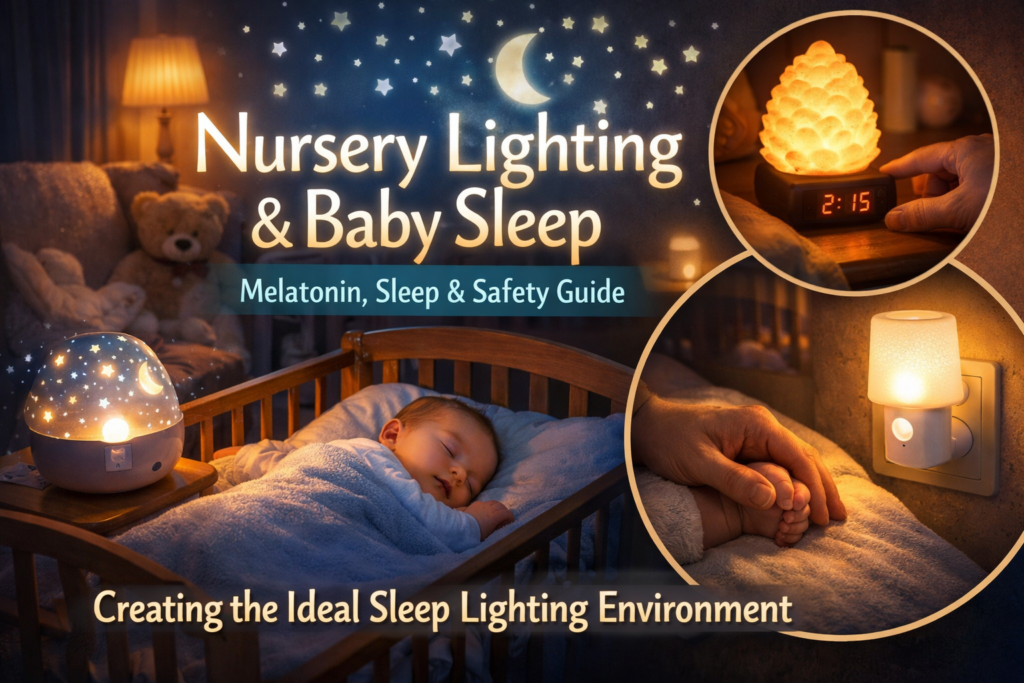
Nursery Lighting for Baby Sleep and Melatonin Development
Melatonin production develops slowly during the first months of life. Proper lighting helps guide this process.
During daytime:
- Natural light exposure supports alertness
- Bright environments encourage active periods
During nighttime:
- Low warm lighting signals rest
- Reduced brightness prevents overstimulation
When lighting patterns remain predictable, babies begin to associate darkness with sleep readiness. This biological learning reduces bedtime resistance over time.
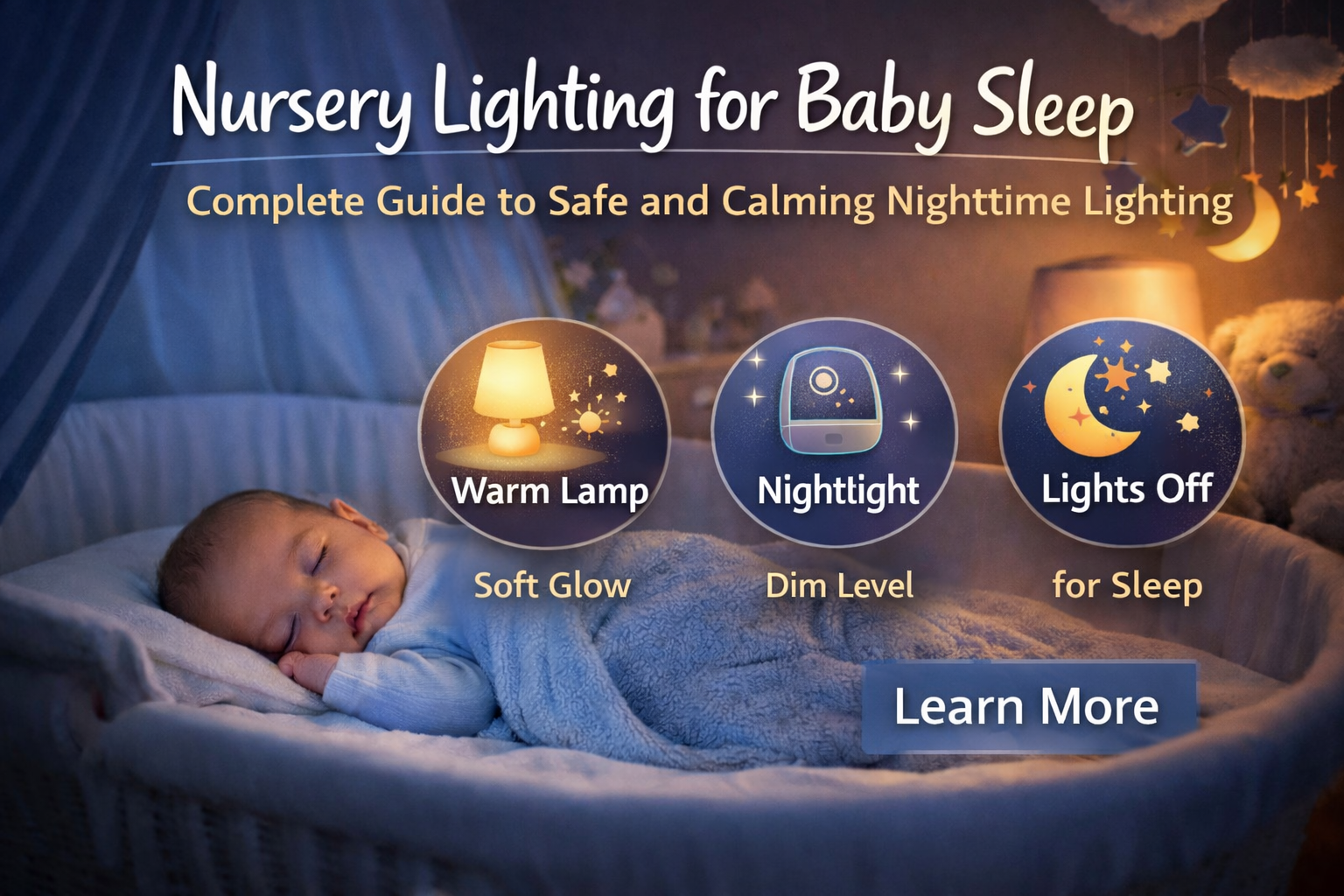
Types of Lighting That Support Baby Sleep
Not all lighting affects sleep equally. The color and intensity of light matter more than many parents realize.
Warm Light vs Cool Light
Warm light with yellow or amber tones supports relaxation. Cool white or blue light stimulates alertness and can delay sleep onset.
Ideal nighttime lighting:
- Warm color temperature below 3000K
- Soft indirect illumination
- Minimal glare
Blue light exposure close to bedtime can interrupt sleep signals even when brightness appears low.
Overhead Lights vs Soft Ambient Lighting
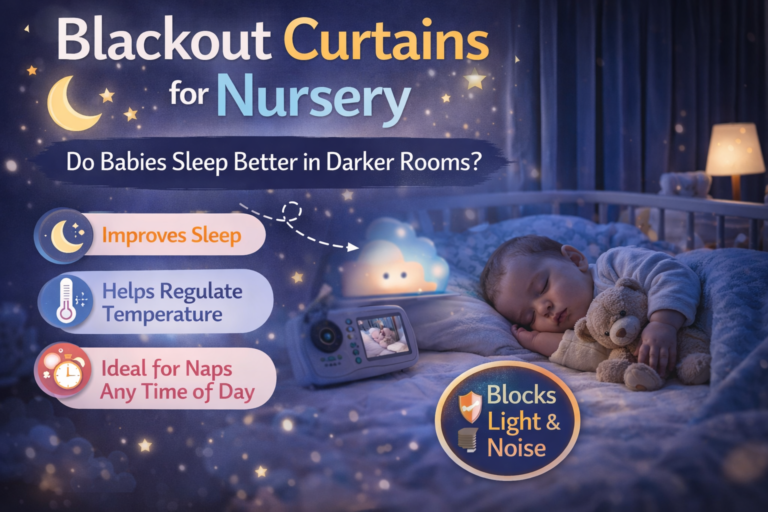
Bright overhead lights often cause babies to fully wake during nighttime care. Switching lighting types can dramatically change nighttime behavior.
Better alternatives include:
- Dim bedside lamps
- Soft wall lighting
- Low brightness night lights
Gentle ambient lighting allows parents to see clearly without signaling daytime activity.
Parents monitoring nighttime reactions using setups similar to best baby monitor without wifi often notice babies remain calmer when bright lighting is avoided.
Ideal Light Levels for Night Feedings and Diaper Changes
Nighttime caregiving requires visibility, but excessive light can reset a baby’s sleep cycle.
Recommended approach:
- Use the lowest light level that allows safe care
- Avoid direct light toward the baby’s eyes
- Keep lighting consistent each night
Predictability helps babies return to sleep faster after waking.
Natural Light and Daytime Sleep Balance
Daytime lighting also influences nighttime sleep success.
Healthy daytime exposure includes:
- Natural sunlight during wake windows
- Well-lit play areas
- Gradual dimming before naps
Babies exposed to clear day and night differences develop circadian rhythm faster.
Balanced daytime lighting reduces confusion between naps and nighttime sleep.
Common Nursery Lighting Mistakes Parents Make
Many sleep difficulties come from small lighting habits that unintentionally stimulate babies.
Frequent mistakes include:
- Turning on bright ceiling lights at night
- Using cool white LED bulbs
- Changing lighting levels frequently
- Allowing strong hallway light into the nursery
- Using screens near sleep time
Correcting lighting alone sometimes improves sleep without changing routines.
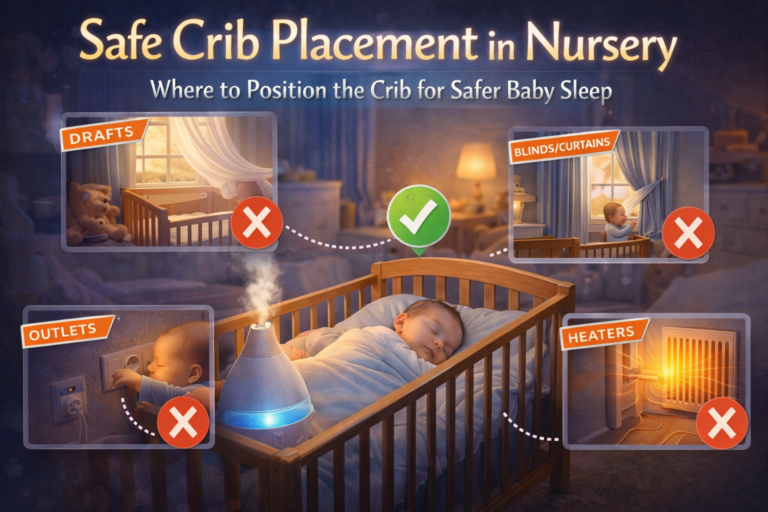
Safe Placement of Night Lights
Night lights can provide reassurance without disturbing sleep when placed correctly.
Best placement practices:
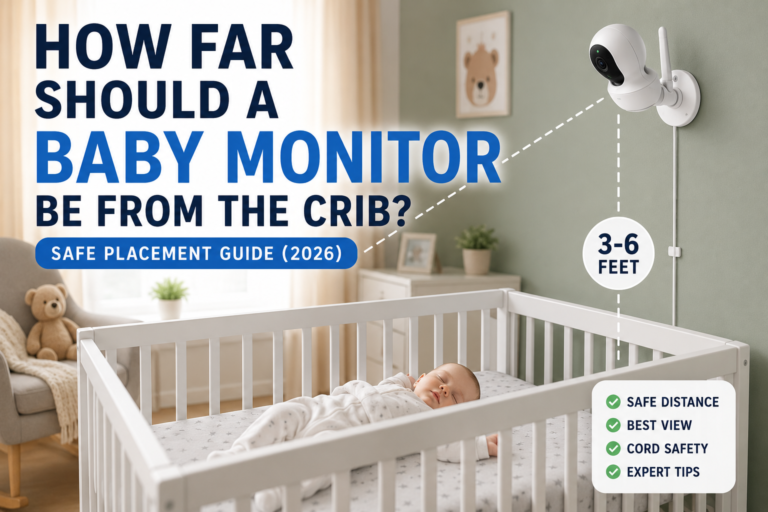
- Position away from the crib
- Aim light toward walls instead of directly outward
- Use indirect glow rather than focused beams
Proper positioning maintains visibility while preserving darkness needed for melatonin production.
Parents adjusting room setup after learning baby monitor placement mistakes most parents make often find lighting placement equally important.
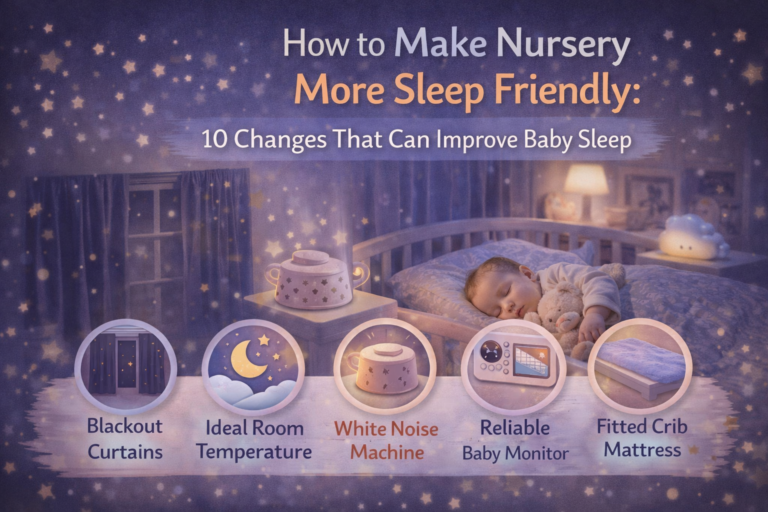
Combining Lighting With Other Sleep Environment Factors
Lighting works together with temperature and sound to create a complete sleep environment.
For example:
- Dim lighting paired with stable temperature improves comfort
- Consistent sound reduces sudden awakenings
- Minimal visual stimulation supports deeper sleep cycles
No single factor determines sleep quality. Instead, environmental consistency creates predictable sleep signals.
How Babies Learn Sleep Through Environmental Cues
Babies gradually associate environmental patterns with sleep readiness.
Repeated exposure to:
- dim lighting
- calm sound
- comfortable temperature
teaches the brain when to transition into rest.
Over time, environmental cues become stronger than routines alone. Babies begin relaxing automatically when familiar conditions appear.
Creating a Practical Nighttime Lighting Routine
Parents can build an effective lighting routine using simple steps:
- Bright natural light during daytime wake periods
- Gradual dimming one hour before bedtime
- Warm low lighting during bedtime routine
- Minimal light during night care
- Consistent lighting every night
Consistency matters more than perfection.
Long Term Benefits of Proper Nursery Lighting
Optimizing nursery lighting supports more than immediate sleep improvements.
Long term benefits may include:
- Faster circadian rhythm development
- Reduced nighttime stimulation
- Easier bedtime transitions
- More predictable sleep patterns
Parents often report calmer evenings once lighting becomes intentional rather than accidental.
Final Thoughts
Nursery lighting for baby sleep is one of the most powerful yet overlooked elements of healthy infant sleep. Babies rely heavily on environmental signals, and lighting provides one of the clearest biological cues for rest.
By choosing warm, dim lighting at night and maintaining consistent light patterns, parents create conditions that support natural sleep development. Combined with thoughtful monitoring and a balanced sleep environment, proper lighting helps babies sleep more comfortably and wake less frequently.
Small adjustments in lighting can lead to meaningful improvements in sleep for the entire family.
Frequently Asked Questions
What color light is best for baby sleep?
Warm yellow or amber light is best because it supports melatonin production and relaxation.
Should a nursery be completely dark?
Near darkness is helpful, but a dim warm night light is acceptable if needed for safety.
Are LED lights safe for babies at night?
Yes, as long as they emit warm tones and remain dim.
Can lighting really affect baby sleep patterns?
Yes. Light exposure directly influences circadian rhythm development and sleep hormones.
When should nursery lights be dimmed?
Ideally 30 to 60 minutes before bedtime to signal sleep readiness.