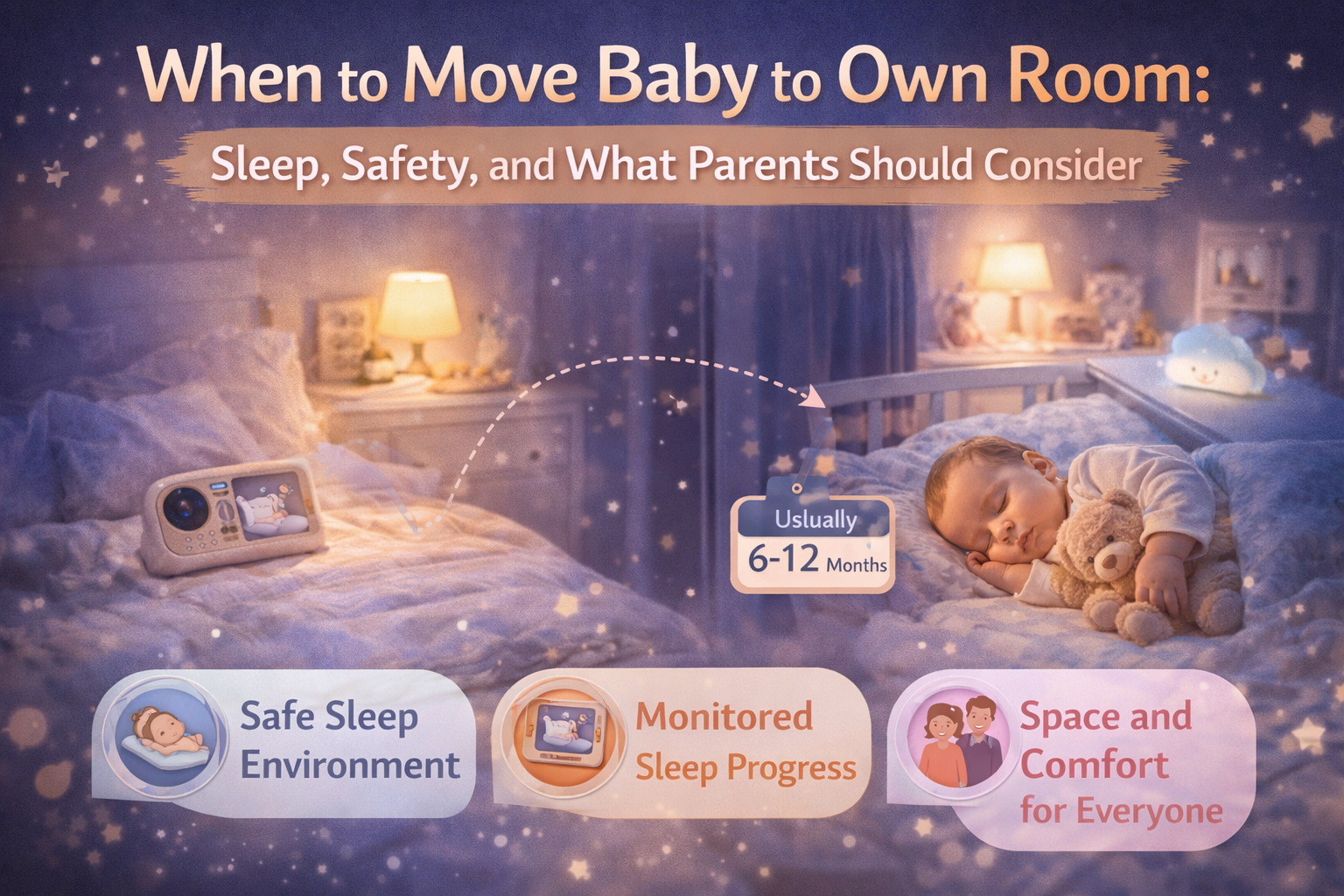
When to Move Baby to Own Room: Sleep, Safety, and What Parents Should Consider
When to move baby to own room is a question many parents begin asking once newborn sleep starts changing and nighttime routines become more established. During the early weeks and months, many families keep the baby in the same room for convenience, especially for feeding and reassurance. Over time, however, parents often begin wondering whether the baby would sleep better in a separate nursery and whether the transition would improve sleep for the whole family.
This decision is personal, but it is also practical. The answer depends on safety guidance, feeding needs, room setup, and how the baby currently sleeps. At Safebabylab, we often find that parents are not really asking for one universal age. They are asking whether their baby and home setup are ready for the move.
This guide explains when to move baby to own room, what signs may suggest the transition is worth considering, and how to make the change as smoothly as possible.
Why Parents Consider the Move
There are several common reasons families think about moving a baby into a separate room:
- the baby wakes from every small adult sound
- parents wake from every small baby sound
- night feeds are becoming less frequent
- the nursery is ready and safer for long term sleep
- the family wants a more stable sleep setup
Sometimes the baby seems ready before the parents are emotionally ready. Other times the parents feel ready, but the baby still feeds too often for the move to feel practical.
When to Move Baby to Own Room: Safety Comes First
When to move baby to own room should always start with safe sleep guidance and room setup. Many parents choose to room share early on because it makes nighttime care easier and can feel reassuring. Once the separate room is used, it should meet the same safe sleep principles:
- a firm sleep surface
- no loose blankets
- no pillows or toys
- properly placed crib
- safe monitor setup
This also makes articles like safe crib placement in nursery highly relevant when planning the transition.
Signs Baby May Be Ready for a Separate Room
Some babies begin showing signs that they may sleep better with fewer disturbances. Signs can include:
- waking to normal adult movement
- being easily disturbed by parent noise
- settling better in a quiet nursery during naps
- having longer sleep stretches already
If naps in the nursery are consistently better than nighttime sleep in the parents’ room, that may be a useful clue.
At Safebabylab, we often suggest looking at patterns rather than one difficult night. Repeated signs matter more than isolated sleep changes.
Signs Parents May Not Be Ready Yet
There are also situations where moving the baby may feel too early or too disruptive:
- frequent overnight feeding
- the nursery setup is not fully ready
- parents feel anxious checking on the baby
- the baby is going through a major developmental change
The move should make nighttime feel more manageable, not more stressful.
How the Nursery Environment Affects the Transition
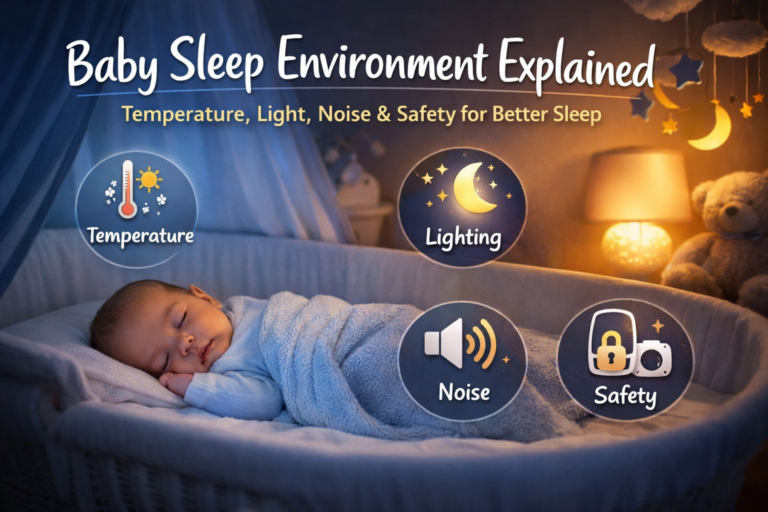
A separate room should feel calm, predictable, and sleep focused. This means paying attention to:
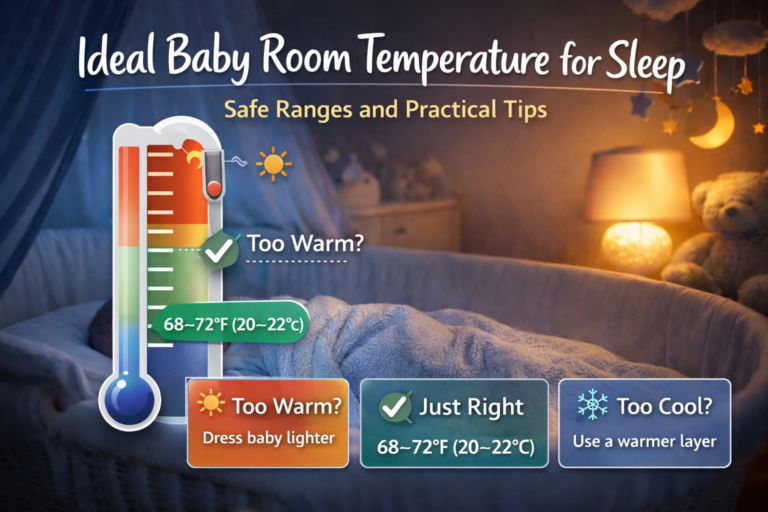
- room temperature
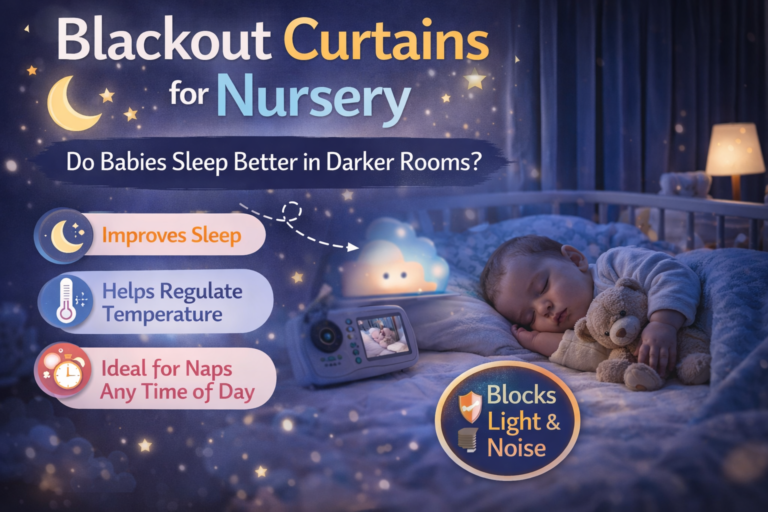
- darkness
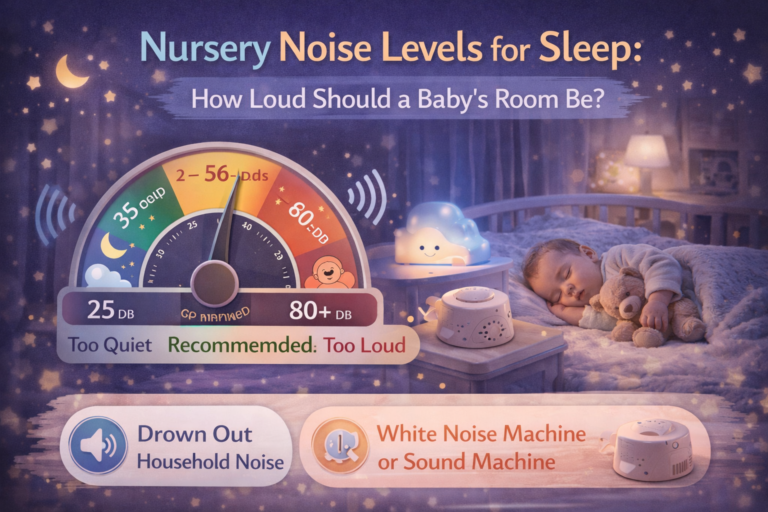
- white noise if used
- crib placement
- monitor visibility
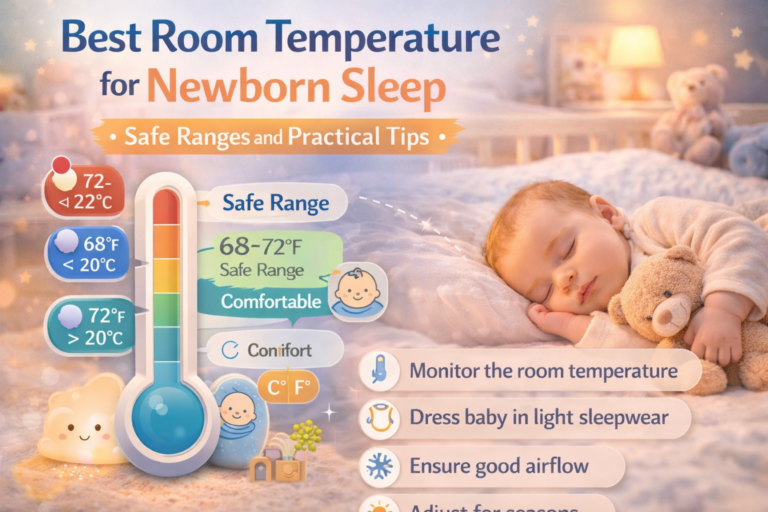
The transition is smoother when the room already works well for naps and bedtime. Conditions from best room temperature for newborn sleep, blackout curtains for nursery, and does white noise help babies sleep all support this move.
Room Sharing vs Better Sleep Quality
Some babies genuinely sleep better in their own room because there is less movement, less noise, and fewer interruptions. Some parents sleep better too, which can improve overall family wellbeing.
That said, moving rooms does not automatically fix all sleep issues. It helps most when environmental disruption is one of the real problems.
How to Make the Transition Gradually
A gradual move often feels easier than an abrupt one. Common approaches include:
- starting with naps in the nursery
- doing the first sleep stretch in the nursery
- moving nighttime sleep fully once the baby seems comfortable
- keeping routines exactly the same
Consistency matters more than speed.
The Role of Baby Monitors in the Move
Many parents feel more comfortable moving the baby once they have a dependable monitor setup. Monitors help bridge the emotional gap between rooms.
Useful articles to link here include:
At Safebabylab, we often see that the right monitor setup makes parents far more confident about the transition.
Final Thoughts
When to move baby to own room depends on readiness, safety, and how the baby currently sleeps. There is no perfect universal moment. The best timing is when the nursery is properly set up, the family can monitor confidently, and the move is likely to improve rest rather than increase stress.
At Safebabylab, we view this transition as part of building a better sleep environment, not just changing where the crib sits. The more stable and sleep friendly the nursery becomes, the smoother the move usually feels.
FAQ
When should babies move to their own room?
The timing varies by family, but many parents begin considering it once sleep becomes more predictable and the nursery is fully ready.
Will my baby sleep better in their own room?
Some babies do sleep better with fewer environmental disturbances, but the room setup still matters a lot.
Is it hard to transition a baby to their own room?
It can be, but gradual transitions usually make it easier.
Should naps happen in the nursery first?
Yes, naps are often a helpful first step before moving full nighttime sleep.
Do I need a baby monitor when moving baby to their own room?
A reliable baby monitor is strongly recommended for reassurance and observation.