Baby Sleep & Night Care: A Practical Guide for New Parents
Baby sleep and night care are often talked about as if there is a right system you just need to discover. In reality, baby sleep is messy, inconsistent, and constantly changing especially in the first months. This guide is not about perfect schedules or guaranteed results. It’s about understanding what baby sleep actually looks like, how night care fits into it, and how to make nights more manageable without burning yourself out.
One of the most important things to understand about baby sleep and night care is that newborn sleep does not resemble adult sleep at all. Babies wake often, move frequently, and shift between light and deep sleep much more than adults. This is normal, even though it can feel exhausting when you’re living it night after night.
What Baby Sleep Really Looks Like in the Early Months
In the beginning, baby sleep is driven almost entirely by biological needs. Hunger, discomfort, and immature sleep cycles all play a role. There is very little predictability, and that’s why baby sleep and night care feel so intense early on.
Parents often expect routines to appear quickly, but in reality, the early phase is more about responding than scheduling. Over time, patterns slowly begin to form, but they are fragile and easily disrupted by growth, development, and changes in the baby’s environment.
Why Nights Feel Harder Than Days
Night care feels heavier because:
- You’re tired
- Your patience is lower
- And your ability to think clearly is reduced
This makes every wake-up feel bigger than it would during the day. Understanding baby sleep and night care means accepting that nights are emotionally harder, not just practically harder.
This is also why simple systems matter so much at night. Anything that reduces unnecessary movement, decision-making, or uncertainty helps preserve precious energy.
The Role of Routines in Baby Sleep and Night Care
Routines don’t force babies to sleep. What they do is create predictable signals that help babies transition from wakefulness to rest.
A good routine:
- Is short
- Is calm
- Happens in the same order every night
Over time, these signals become familiar and comforting. We cover this in detail here:
👉 How to Create a Simple Bedtime Routine That Actually Works
Routines don’t need to be perfect to be effective. Consistency matters more than complexity.
Night Care Is About Efficiency, Not Perfection
A key part of baby sleep and night care is learning how to handle wake-ups efficiently. Bright lights, talking, pacing, and stimulation make it harder for everyone to fall back asleep.
Night care works best when:
- Lights stay dim
- Interactions are calm and minimal
- The focus is on helping the baby settle, not entertain
The faster nights return to quiet, the better overall sleep becomes.
How Monitoring Fits Into Baby Sleep and Night Care
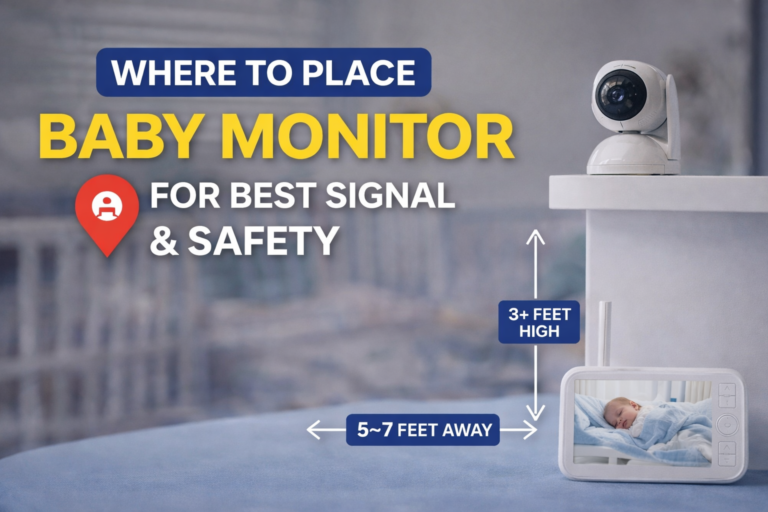
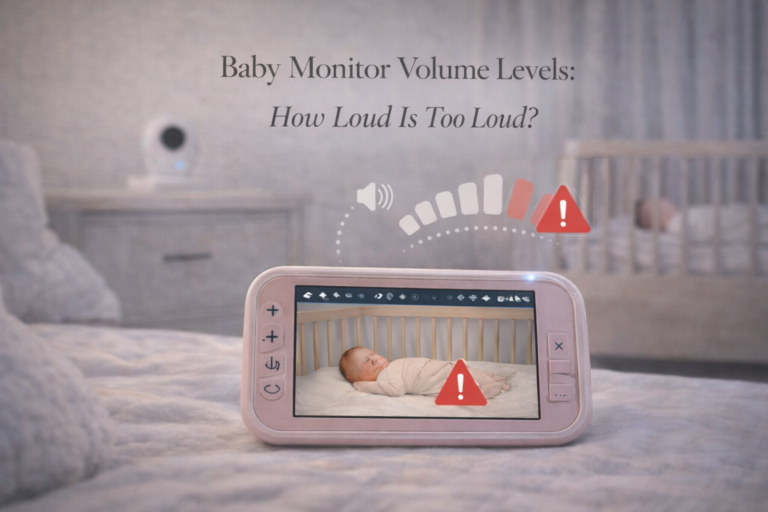
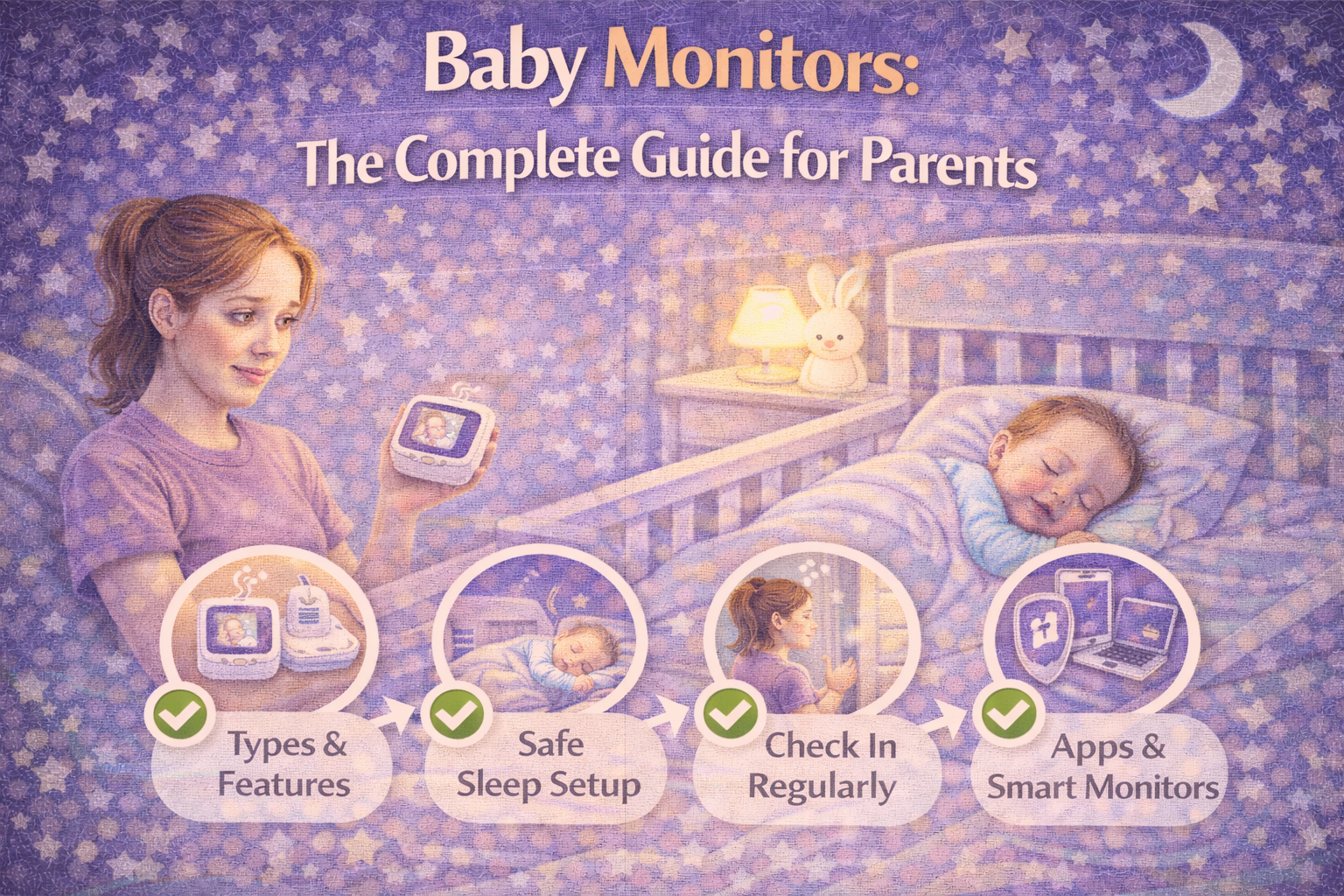
Many parents feel torn between wanting to check on their baby and not wanting to disturb sleep. This is where baby monitors play an important role in night care. Being able to hear or see what’s happening without walking into the room reduces unnecessary interruptions and helps parents respond more calmly.
Parents who value simplicity and reliability often prefer monitoring setups that don’t depend on phones or internet connections. If you’re exploring options, our main guide explains this in detail here:
👉 Best Baby Monitor Without WiFi
Monitoring doesn’t replace good sleep habits, but it supports smoother night care.
How Baby Sleep Changes Over Time
Baby sleep and night care evolve gradually. Sleep stretches slowly get longer. Wake-ups become more predictable. Parents learn which signals matter and which don’t.
This progression is not linear. Good weeks can be followed by difficult nights. That doesn’t mean something is broken it means your baby is growing.
Understanding this makes night care less stressful and helps set realistic expectations.
Common Mistakes Parents Make With Night Care
Some of the most common issues include:
- Expecting long, uninterrupted sleep too early
- Overstimulating the baby at night
- Constantly changing routines
- Trying to fix every wake-up instead of observing patterns
Simplifying night care usually works better than adding more rules or tools.
What “Good” Baby Sleep Actually Means
Good baby sleep does not mean:
- Sleeping through the night early
- Never waking up
- Perfect schedules
It means:
- Gradual improvement
- More predictable patterns
- Parents feeling more confident and less exhausted
This is the realistic goal of baby sleep and night care.
Final Thoughts
Baby sleep and night care are skills you learn over time, not problems you solve once. Nights will change, routines will evolve, and your confidence will grow even if it doesn’t feel like it in the moment.
Understanding what’s normal and letting go of unrealistic expectations makes this phase much more manageable.
What is normal baby sleep in the first months?
Frequent waking, short sleep cycles, and unpredictable patterns are all normal early on.
Do routines help baby sleep?
Yes. Simple, consistent routines help signal sleep and make nights calmer.
How can night care be less exhausting?
By keeping nights calm, efficient, and predictable, and avoiding unnecessary stimulation.
Does baby sleep improve over time?
In most cases, yes. Sleep usually becomes more predictable as babies grow.