Do Baby Monitors Work Better in Small Homes? What Parents Should Expect
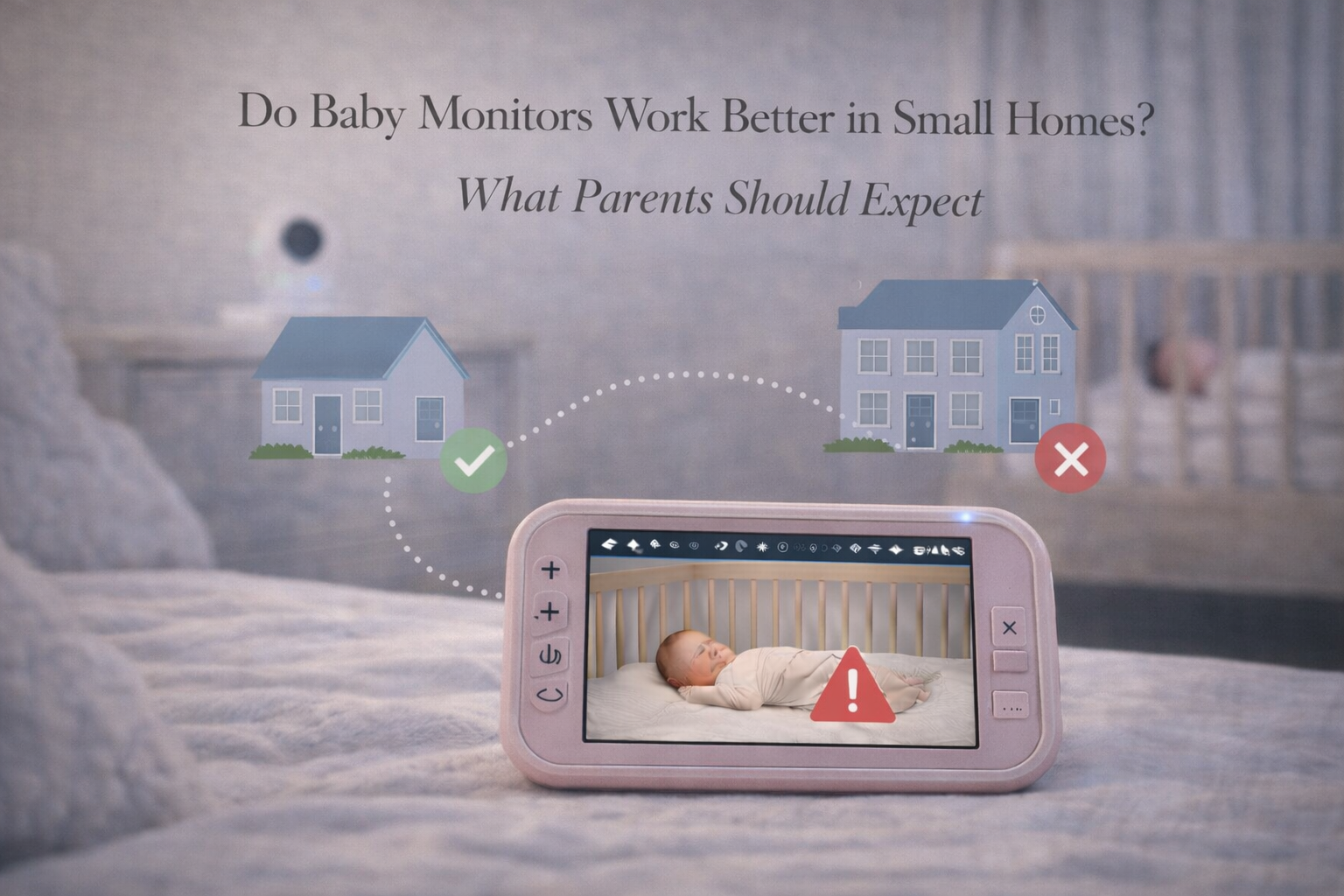
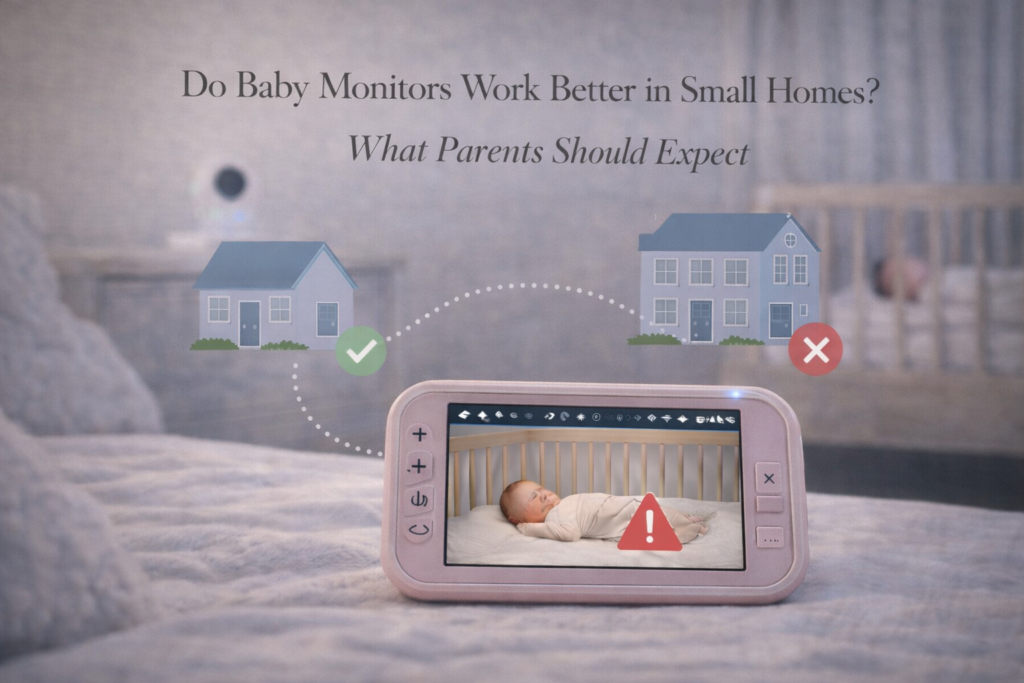
Do baby monitors work better in small homes? Many parents assume the answer is yes, and in most cases, they’re right. Smaller spaces usually mean fewer walls, less distance, and fewer signal obstacles.
But “small home” doesn’t automatically mean perfect performance.
Apartments and compact houses often have unique challenges such as:
- thick concrete walls
- crowded WiFi networks
- neighbors using similar devices
- limited placement options
- interference from shared building wiring
So while baby monitors often work better in small homes, the full answer depends on the type of home and the type of monitor.
This article explains what parents can realistically expect in apartments and small houses, what still causes problems, and how to get the most reliable monitoring setup.
Why Small Homes Usually Have Better Baby Monitor Performance
Baby monitors perform best when:
- distance is short
- there are fewer walls
- there are fewer floors
- signal doesn’t need to travel far
In small homes, the baby unit and parent unit are often within 10–30 feet of each other.
That means:
- fewer signal drops
- clearer audio
- smoother video
- less lag
- fewer “no signal” alerts
Parents in small homes often find that even mid-range monitors work well.
The Apartment Problem: Concrete and Neighbor Interference
Apartments are small, but they can be signal nightmares.
Concrete walls block wireless signals far more than drywall.
In addition, apartment buildings have dozens of WiFi routers competing for the same channels. This can cause lag, buffering, and interference.
Parents in apartments sometimes report more problems than parents in larger suburban homes, even though the distance is smaller.
This connects naturally with your post Can Baby Monitors Pick Up Other Rooms or Neighbors?, because crowded wireless environments can create interference and weird audio issues.
WiFi vs Non-WiFi in Small Homes
In small homes, both WiFi and non-WiFi monitors can work well.
But non-WiFi monitors often feel simpler and more stable because they avoid network congestion.
This makes your money page Best Baby Monitor Without WiFi relevant again, because many parents in apartments prefer non-WiFi models for privacy and reliability.
Final Thoughts
Baby monitors usually work better in small homes because distance and obstacles are reduced. However, apartments can still cause signal problems due to concrete walls and crowded WiFi.
The best monitor for a small home is often the one that provides stable audio and reliable connection, not the one with the most features.
FAQ
Do baby monitors work well in apartments?
Usually yes, but concrete walls and WiFi congestion can cause interference.
Do I need a long-range baby monitor in a small home?
Not always. Many standard monitors work well, but signal quality still depends on wall materials.
Are WiFi baby monitors good for small homes?
They can be, especially if WiFi is stable. But crowded apartment WiFi networks may cause lag.
Why does my baby monitor lose signal even in a small space?
Concrete walls, interference, or poor placement can weaken signals even at short distances.
What monitor type is best for small homes?
Many parents prefer non-WiFi FHSS monitors for stability, while others prefer WiFi for convenience.