Babyproofing Checklist by Age: A Complete Room-by-Room Guide for Parents
Preparing your home for a baby involves much more than buying a crib, installing a baby monitor, and organizing the nursery. As your child grows, everyday household objects can become unexpected safety hazards.
A coffee table that seems harmless today may become a climbing obstacle in a few months. A cabinet that your newborn cannot reach may suddenly become fascinating once crawling begins.
That’s why following a babyproofing checklist by age is one of the most practical ways to create a safer home.
Rather than trying to babyproof everything at once, parents can focus on the risks associated with each developmental stage.
In this comprehensive guide, we’ll cover when to start babyproofing, which safety precautions matter most at different ages, and how to inspect every major room in your home.
Quick Answer: When Should You Start Babyproofing?
Ideally, babyproofing should begin before your baby becomes mobile, with essential precautions in place from birth.
A simple timeline looks like this:
| Baby’s Age | Main Safety Priorities |
|---|---|
| 0–3 months | Safe sleep, changing areas, cords, temperature and smoke alarms |
| 3–6 months | Rolling hazards, accessible objects, furniture stability |
| 6–9 months | Crawling, outlets, cabinets, stairs and choking hazards |
| 9–12 months | Pulling up, climbing, furniture tip-overs and sharp edges |
| 12–18 months | Walking, doors, kitchen access and household chemicals |
| 18–24 months | Advanced climbing, windows, furniture and outdoor access |
These age ranges are approximate. Babies develop at different speeds, and some begin crawling or pulling themselves up earlier than expected.
The most important rule is to babyproof for what your child might do next, not only what they can do today.
Why Babyproofing Is Important
Babies and toddlers explore their surroundings through movement, touch, and eventually putting objects in their mouths.
This curiosity is a normal and important part of development. However, young children cannot recognize dangerous situations the way adults can.
Common household hazards include:
- Unsecured furniture and televisions
- Accessible electrical cords and outlets
- Small objects that can cause choking
- Cleaning products and medications
- Hot liquids and cooking appliances
- Unprotected stairs and windows
- Loose cords near sleeping areas
- Accessible water, including bathtubs and buckets
According to the American Academy of Pediatrics, many childhood injuries can be prevented through appropriate supervision and safer home environments.
Babyproofing does not mean removing every possible risk from your child’s life. It means reducing preventable hazards while creating opportunities for safe exploration.
Babyproofing Checklist: Birth to 3 Months
During the newborn stage, babies have limited mobility. However, that doesn’t mean home safety can wait.
The most important priorities involve sleeping arrangements, safe handling, and the nursery environment.
1. Create a Safe Sleeping Environment
Your baby’s crib or bassinet should meet current safety standards.
For infants, follow these essential precautions:
- Always place your baby on their back for sleep.
- Use a firm, flat, non-inclined mattress with a fitted sheet.
- Keep pillows, blankets, stuffed animals, and crib bumpers out of the sleeping area.
- Avoid sleep positioners and inclined sleepers.
- Keep the crib away from curtains, blind cords, and electrical cables.
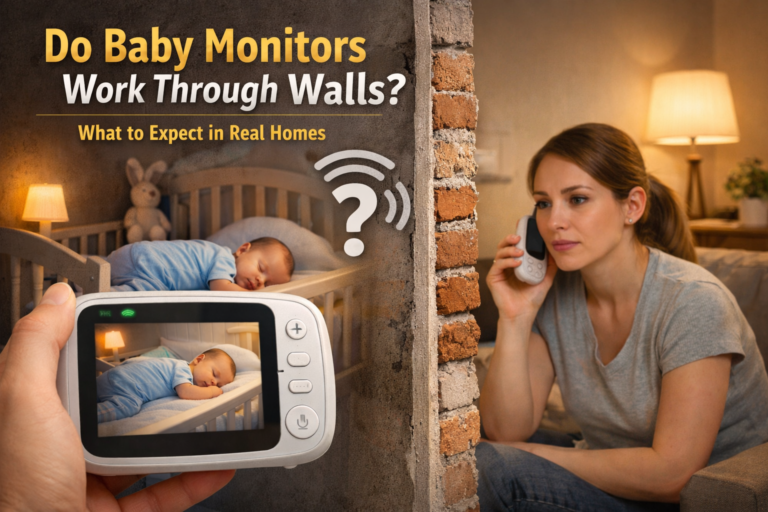
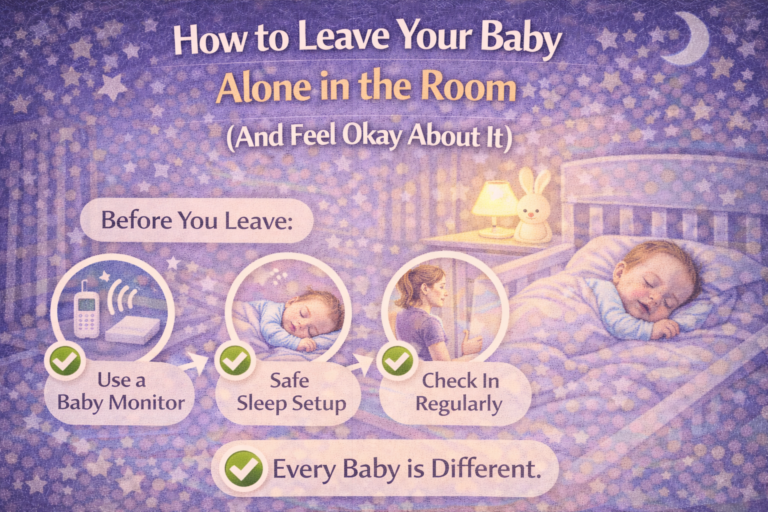
A baby monitor can help parents hear or observe their child, but it cannot prevent sudden infant death syndrome (SIDS) or replace recommended safe sleep practices.
2. Position Your Baby Monitor Safely
Baby monitor placement is an important part of nursery safety.
The camera and all attached cords should remain completely outside your baby’s reach.
Avoid attaching cameras directly to crib rails or allowing charging cables to hang near the sleeping area.
For additional information, read our baby monitor safety tips.
3. Inspect Your Changing Area
Changing tables create a potential fall hazard even before babies learn to roll.
Keep diapers, wipes, and clothing within your reach so you never need to leave your baby unattended.
Always maintain physical contact with your baby when using an elevated changing surface.
4. Check Smoke and Carbon Monoxide Detectors
Install and maintain smoke alarms and carbon monoxide detectors according to local safety requirements.
Test alarms regularly and replace batteries or devices according to the manufacturer’s recommendations.
Newborn Safety Checklist
- Safe crib or bassinet installed
- Firm mattress and fitted sheet
- No loose bedding or soft objects in the crib
- Baby monitor cords secured out of reach
- Changing supplies organized
- Smoke and carbon monoxide alarms checked
- Medicines and cleaning products stored securely
Babyproofing Checklist: 3 to 6 Months
Between three and six months, many babies begin rolling, reaching, and exploring objects more actively.
This is when parents should start preparing the wider home for mobility.
1. Prepare for Rolling
Rolling can happen unexpectedly.
Never leave your baby unattended on a bed, sofa, changing table, or other elevated surface.
If you need to step away, place your baby in a safe crib or play yard.
2. Secure Heavy Furniture
Bookshelves, dressers, television stands, and storage cabinets can tip over when children pull or climb on them.
Use appropriate wall anchors to secure furniture, following manufacturer instructions.
Do not assume that a heavy piece of furniture is automatically stable.
3. Inspect Accessible Objects
Get down to floor level and examine your home from a baby’s perspective.
Look for:
- Coins
- Buttons
- Batteries
- Small toy parts
- Loose screws
- Jewelry
- Magnets
- Plastic packaging
Small objects should be removed from areas your baby may access.
Button batteries and high-powered magnets are particularly dangerous if swallowed and require urgent medical assessment when ingestion is suspected.
4. Review Your Play Area
Choose an area where your baby can enjoy supervised floor play without access to furniture edges, cables, or small objects.
Use age-appropriate toys and inspect them for loose or damaged parts.
Babyproofing Checklist: 6 to 9 Months
For many families, this is the stage when babyproofing becomes especially important.
Some babies begin crawling, scooting, or moving around the room in unexpected ways.
Suddenly, objects that were previously out of reach become accessible.
1. Install Safety Gates
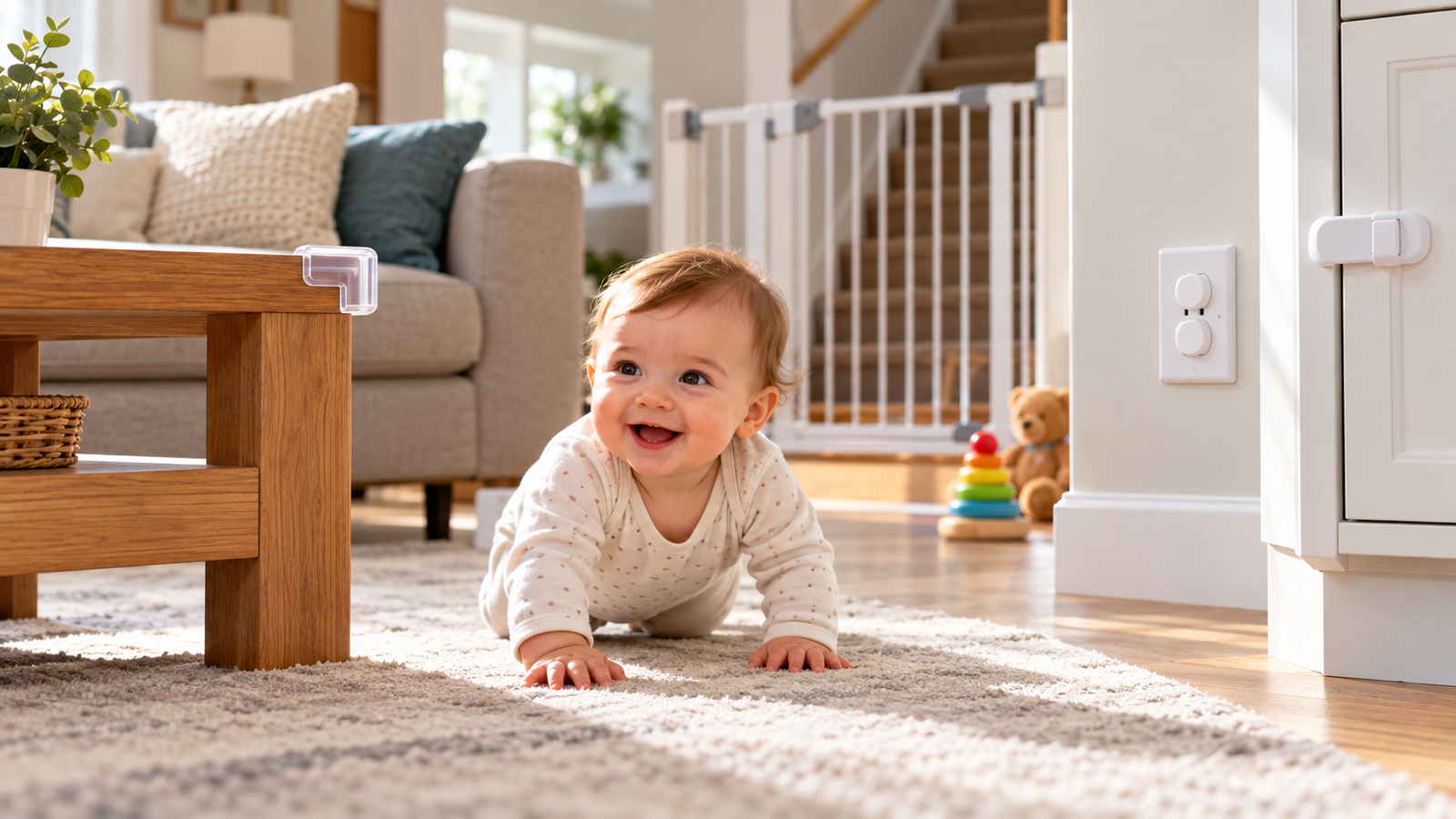
If your home has stairs, install appropriate safety gates before your baby becomes mobile.
Hardware-mounted gates are generally preferred at the top of stairs because they provide a more secure installation.
Follow the gate manufacturer’s instructions and avoid using pressure-mounted gates at the top of stairs.
2. Secure Electrical Outlets
Use properly installed child-resistant outlet protection where needed.
Avoid small removable outlet plugs that could become choking hazards if pulled out.
Keep extension cords, power strips, and charging cables inaccessible.
3. Lock Hazardous Cabinets
Install reliable safety latches or locks on cabinets containing dangerous products.
Pay particular attention to:
- Household cleaning chemicals
- Laundry detergent pods
- Medications and supplements
- Sharp utensils
- Alcohol
- Batteries
Safety locks provide an additional barrier, but hazardous products should also be stored high and securely whenever possible.
4. Remove Choking Hazards
Babies explore the world by putting objects in their mouths.
Regularly inspect floors, rugs, furniture gaps, and play areas for small items.
If your baby has started eating solid foods, ensure foods are prepared in an age-appropriate way and supervise every meal.
5. Secure Window Blind Cords
Corded window coverings can create strangulation hazards.
Choose cordless window coverings whenever possible and keep all existing cords completely inaccessible.
6. Recheck Baby Monitor Placement
As babies become mobile, their reach increases.
A monitor setup that was safe during the newborn stage may no longer be appropriate.
Read our detailed guide on where to place a baby monitor camera.
Babyproofing Checklist: 9 to 12 Months
Around this stage, many babies begin pulling themselves up, standing while holding furniture, and moving between objects.
This creates new risks, particularly falls and furniture tip-overs.
1. Anchor All Climbable Furniture
Even furniture that seems too tall for your baby can become a hazard.
Secure:
- Dressers
- Bookcases
- Television stands
- Storage units
- Tall cabinets
Avoid placing attractive toys or frequently used objects on top of furniture, as these may encourage climbing.
2. Protect Sharp Corners
Coffee tables, low shelves, and other furniture with sharp edges can cause injuries when babies lose their balance.
Consider removing particularly hazardous furniture from play areas.
Corner guards may help reduce some minor impact injuries, but they should be securely attached and checked regularly.
3. Keep Hot Drinks Away
A baby who can pull themselves up may also reach for tablecloths, mugs, and objects on low surfaces.
Never leave hot drinks near the edge of a table.
Avoid carrying hot beverages while holding your baby.
4. Reevaluate the Crib
As your baby begins standing, lower the crib mattress according to the manufacturer’s instructions.
Keep the crib free from objects that could be used as climbing steps.
If your child begins attempting to climb out, reassess whether the crib remains appropriate.
Babyproofing Checklist: 12 to 18 Months
Once toddlers begin walking, they can access more areas of the home.
They may also become increasingly determined to open doors, climb furniture, and imitate adult activities.
1. Improve Kitchen Safety
The kitchen contains several potential hazards, including hot surfaces, sharp objects, and cleaning chemicals.
Recommended precautions include:
- Keep knives and sharp utensils securely stored.
- Turn pot handles inward when cooking.
- Use rear burners when practical.
- Keep hot food and drinks away from counter edges.
- Secure access to cleaning products.
- Keep appliance cords out of reach.
Whenever possible, keep toddlers away from active cooking areas.
2. Make the Bathroom Safer
Bathrooms combine slippery surfaces, water, medications, and electrical appliances.
Never leave a young child unattended in the bathtub, even briefly.
Empty buckets, tubs, and other containers immediately after use.
Store medications, cosmetics, razors, and cleaning products securely.
3. Check Doors and Windows
Toddlers may learn to open doors earlier than expected.
Use appropriate door security measures where needed, without compromising emergency exits.
Install suitable window guards or opening restrictors that allow emergency escape when required.
Remember that window screens are not designed to prevent falls.
4. Secure Household Appliances
Keep access to washing machines, dryers, ovens, and other potentially hazardous appliances controlled.
Follow manufacturer guidance for child-lock features.
Avoid allowing children to play inside or around appliance compartments.
Babyproofing Checklist: 18 to 24 Months
Older toddlers often develop stronger climbing skills, better coordination, and greater independence.
At this stage, safety planning should anticipate increasingly creative behavior.
1. Prevent Furniture Climbing
Children may climb onto chairs, sofas, shelves, and tables to reach interesting objects.
Move furniture away from windows and other dangerous areas.
Keep heavy objects and televisions securely anchored.
2. Review Outdoor Access
If your home has a yard, balcony, pool, or garage, evaluate access carefully.
Pay particular attention to:
- Pools and other water features
- Garden tools
- Outdoor chemicals
- Barbecue equipment
- Driveways
- Gates and fences
- Stairs and elevated surfaces
Pools require appropriate barriers and constant adult supervision around water.
3. Store Hazardous Items Securely
Toddlers may discover how to open simple latches and reach higher surfaces.
Regularly inspect storage areas containing tools, chemicals, medications, and other dangerous objects.
Do not assume that a product is safe simply because it is stored above your child’s current height.
Room-by-Room Babyproofing Checklist
Age-based safety planning is useful, but a room-by-room inspection helps identify hazards that might otherwise be overlooked.
Nursery
- Crib meets current safety standards
- Mattress is firm, flat, and correctly fitted
- No loose bedding or soft objects in infant sleep space
- Baby monitor cords are inaccessible
- Furniture is anchored
- Window coverings are cordless or safely secured
- Small objects are removed
Living Room
- Television and furniture secured
- Electrical outlets protected appropriately
- Loose cables removed or secured
- Small objects kept out of reach
- Sharp furniture hazards addressed
- Houseplants checked for toxicity
- Windows protected against falls
Kitchen
- Cleaning chemicals locked away
- Knives and sharp tools secured
- Hot liquids kept away from edges
- Appliance cords inaccessible
- Dangerous cabinets secured
- Trash and discarded batteries inaccessible
Bathroom
- Medicines securely stored
- Cleaning products locked away
- Electrical appliances kept away from water
- Bathwater temperature checked before use
- Water containers emptied after use
- Child never left unattended in bath
Hallways and Stairs
- Appropriate safety gates installed
- Stairs free from clutter
- Loose rugs secured
- Cords removed from walking areas
- Lighting adequate
- Doors and access points reviewed
Common Babyproofing Mistakes Parents Make
Even careful parents can overlook important safety details.
Understanding common mistakes can make home safety inspections more effective.
Waiting Until the Baby Starts Crawling
Babies may develop new abilities suddenly.
A child who appears stationary one week may begin moving across the floor shortly afterward.
Prepare your home before each new developmental stage.
Assuming Childproof Locks Are Foolproof
Safety latches and cabinet locks are useful, but they can fail or be left unsecured.
Use multiple layers of protection, particularly for medications, chemicals, and other hazardous items.
Forgetting About Visitors
Grandparents, relatives, and friends may have homes that are not designed for young children.
When visiting, inspect accessible objects, stairs, furniture, and medications.
Ignoring Temporary Hazards
Shopping bags, handbags, charging cables, tools, and household projects can introduce risks even in a well-babyproofed home.
Review your surroundings throughout the day, not only during formal safety checks.
Relying Too Much on Baby Monitors
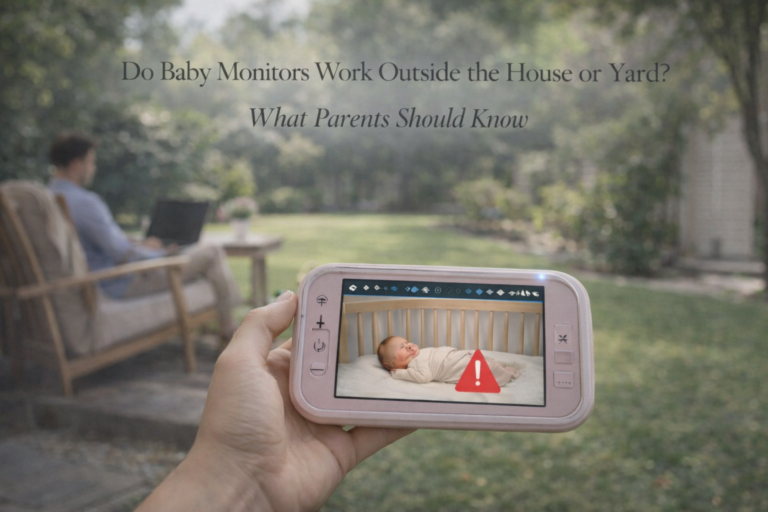
Baby monitors can help parents observe or hear their children from another room.
However, they cannot replace direct supervision or eliminate environmental hazards.
A reliable monitoring system should be considered one part of a broader home safety routine.
Can a Baby Monitor Help With Babyproofing?
A baby monitor can be a useful addition to your overall safety setup, especially during naps and nighttime sleep.
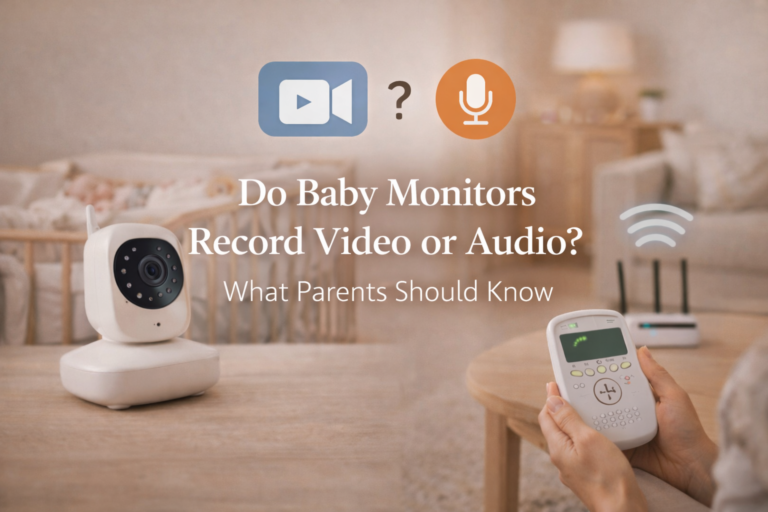
Video monitors allow parents to observe movement and check whether a baby has awakened.
Audio monitors can help parents hear crying and other sounds from a separate room.
However, choosing a monitor requires attention to several factors:
Camera placement: The device and its cords must remain outside the child’s reach.
Signal reliability: A monitor should maintain a dependable connection throughout the areas where it is used.
Privacy: Wi-Fi models should have appropriate security settings, strong passwords, and updated firmware.
Ease of use: Parents should be able to operate the monitor quickly and understand its alerts.
Families who prefer a dedicated monitor without internet connectivity can explore our guide to baby monitors without WiFi.
Remember that a monitor is an observation tool, not a substitute for safe sleep practices or adult supervision.
How Often Should You Update Your Babyproofing Checklist?
Babyproofing should be an ongoing process rather than a one-time project.
A practical approach is to review your home whenever your baby reaches a new developmental milestone.
Important milestones include:
- Rolling over
- Sitting independently
- Crawling
- Pulling up to stand
- Walking
- Climbing
- Opening cabinets and doors
It is also helpful to repeat a general home safety inspection regularly.
During each inspection, look for new hazards created by furniture changes, recently purchased products, visitors, or your child’s growing abilities.
Frequently Asked Questions
What is the best age to start babyproofing?
Begin with essential safety precautions before your baby comes home. Complete more extensive babyproofing before your child starts crawling or moving independently.
Do I need to babyproof every room?
Every room your child can access should be evaluated for hazards. Rooms containing dangerous tools, chemicals, or equipment may be better kept inaccessible.
What should I babyproof first?
Prioritize serious hazards such as unsafe sleep environments, unsecured furniture, accessible medications and chemicals, stairs, windows, and choking hazards.
Are outlet covers necessary for babies?
Electrical outlets should have appropriate child-resistant protection. Modern tamper-resistant receptacles are an effective option, while some removable outlet plugs may create choking hazards.
Do babies need safety gates if there are only a few stairs?
Yes. Even a small number of stairs can create a fall hazard for a mobile baby or toddler. Choose a gate suitable for the location and install it according to the manufacturer’s instructions.
Can I completely babyproof my home?
No home can be made completely risk-free. Babyproofing reduces preventable hazards, but appropriate supervision and regular safety reviews remain essential.
Is a baby monitor necessary for home safety?
A baby monitor is not mandatory for every family, but it can be useful for hearing or observing a child who is sleeping in another room. It does not replace direct supervision or safe sleep practices.
Final Thoughts: Build a Safer Home One Stage at a Time
Babyproofing does not need to become an overwhelming project.
The most effective approach is to start with essential safety precautions, prepare for your child’s next developmental milestone, and review your home regularly.
A newborn’s safety needs are very different from those of a crawling baby or an adventurous toddler.
By following a practical babyproofing checklist by age, parents can focus on the most relevant hazards at each stage while giving their children room to explore and develop.
At SafeBabyLab, we believe that informed decisions, reliable baby equipment, and thoughtful home preparation can help families create safer environments.
A safer home is not one without exploration. It is one where children can explore with fewer preventable risks.
Editorial note: This guide provides general educational information and is not a substitute for professional safety assessments, pediatric medical advice, or product-specific installation instructions. Always follow current safety recommendations and manufacturer guidance.