Best Room Temperature for Newborn Sleep: Safe Ranges and Practical Tips
Best room temperature for newborn sleep is one of the most important factors parents can control when setting up a safe nursery. Newborns are more sensitive to temperature changes than adults, and even a small difference in room conditions can affect comfort, breathing, and sleep quality. When the nursery feels too warm or too cold, babies often wake more often, sleep less deeply, or become restless during the night.
Many parents focus first on feeding, swaddling, and bedtime routines, but temperature is one of the most practical pieces of the sleep environment. At Safebabylab, we have found that room conditions often explain why a baby seems comfortable one night and unusually unsettled the next. A stable nursery temperature supports better sleep and helps reduce unnecessary disruptions.
This guide explains the best room temperature for newborn sleep, how to check if the nursery feels appropriate, and what parents can do to maintain safe and comfortable sleep conditions every night.
Why Newborns Are Sensitive to Room Temperature
Newborns do not regulate body temperature as efficiently as older children or adults. Their bodies are still adapting to the outside world, and they depend on caregivers to create a stable sleep environment. Because of this, a nursery that feels only slightly too warm or too cool can make a noticeable difference.
When babies are too warm, they may sweat, move restlessly, or wake frequently. When they are too cool, they may have trouble settling or may wake more often between sleep cycles. Temperature is not the only environmental factor that matters, but it is one of the easiest to control.
That is why many parents who already use tools discussed in complete guide to baby monitors without wifi begin paying closer attention to nursery conditions after noticing patterns in their baby’s sleep.
Best Room Temperature for Newborn Sleep: Recommended Range
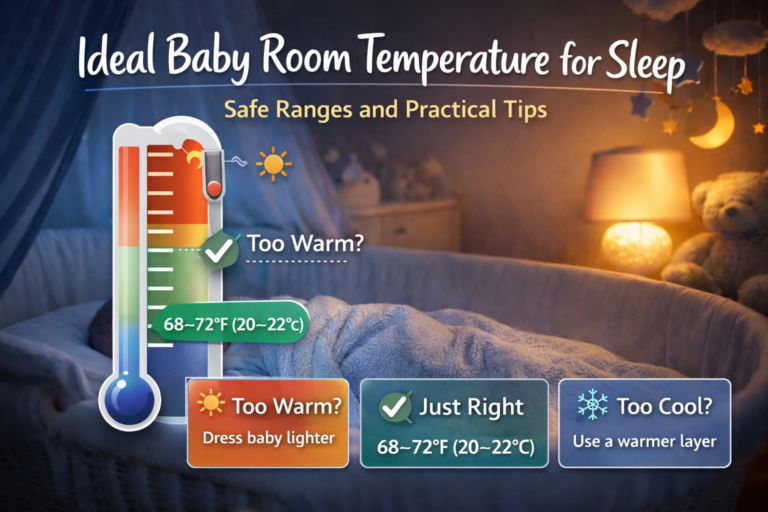
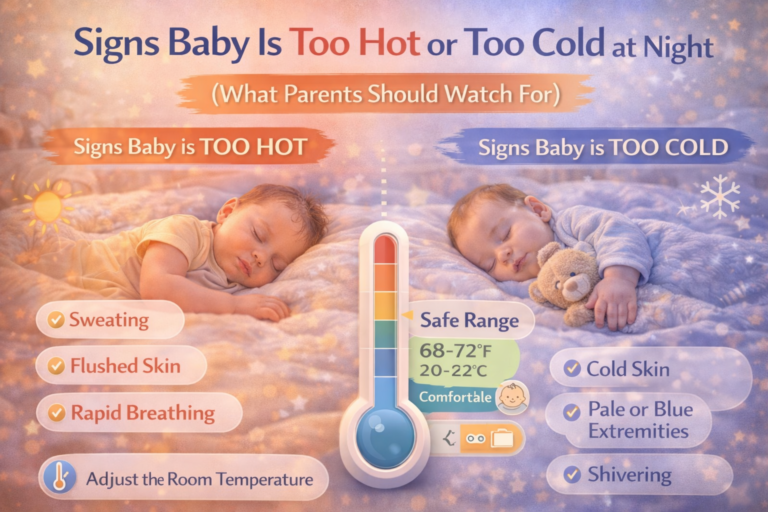
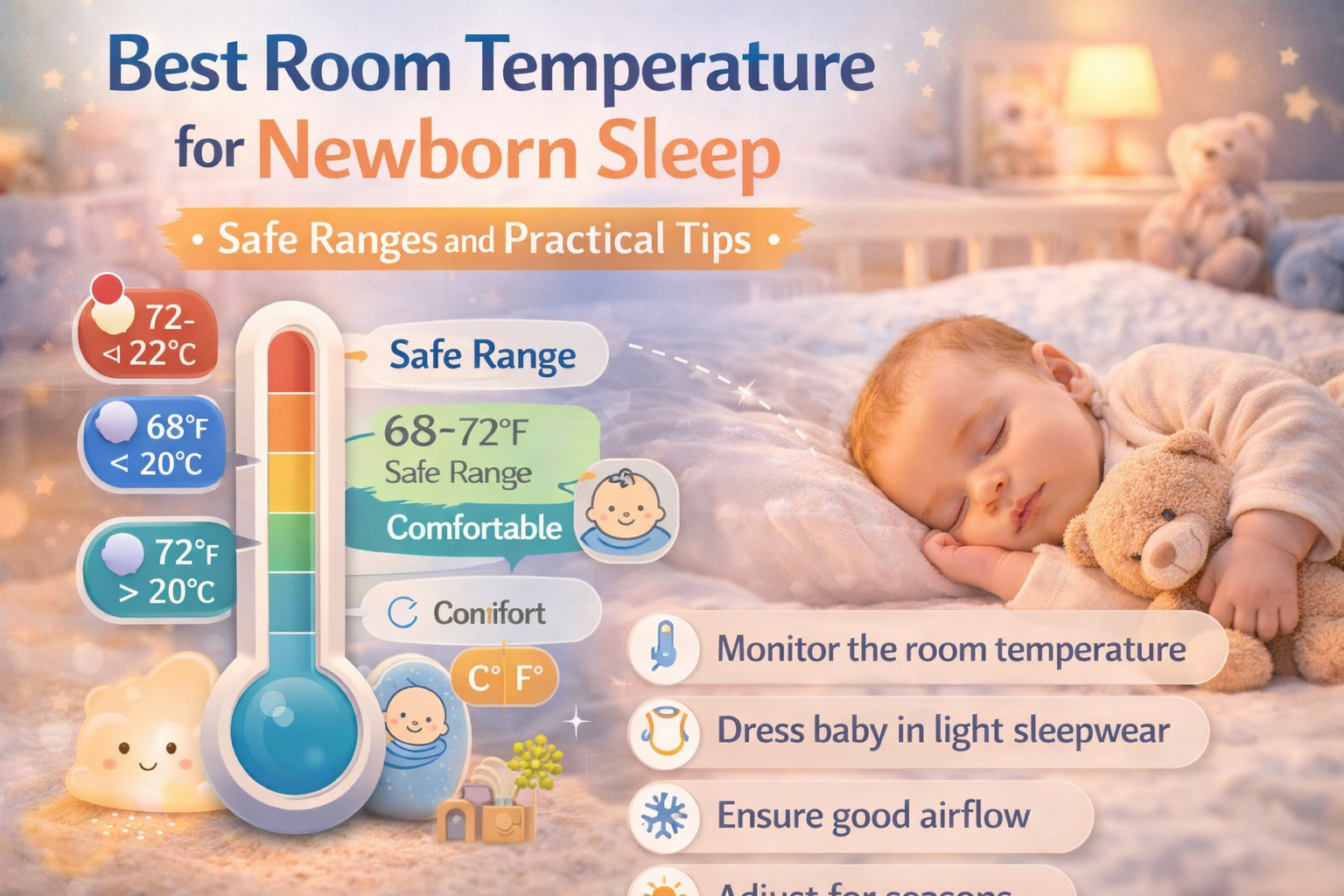
Best room temperature for newborn sleep is usually considered to be between 68°F and 72°F, which is about 20°C to 22°C. This range is widely considered comfortable for infants because it reduces the risk of overheating while still keeping the room warm enough for rest.
This does not mean every baby will prefer the exact same temperature every night. Some babies sleep slightly better at the cooler end of the range, while others do well closer to the middle. The important part is consistency. Sudden temperature changes often affect sleep more than a one degree difference.
Parents should also remember that clothing, swaddles, sleep sacks, and room airflow influence how warm the baby feels. A nursery set at a safe temperature can still feel too warm if the baby is overdressed.
Signs the Nursery May Be Too Warm
Overheating is one of the most common concerns in infant sleep. A room that is too warm can make babies uncomfortable and may increase parental anxiety during the night.
Signs the nursery may be too warm include:
- sweating around the neck or back
- damp hair
- flushed cheeks
- restless sleep
- frequent waking without an obvious feeding need
At Safebabylab, we often recommend checking the baby’s chest or upper back instead of hands or feet. Hands and feet can feel cool even when the baby’s body temperature is perfectly comfortable.
Parents using cameras from guides such as best baby monitor long range often notice that warm rooms lead to more movement and shorter sleep stretches.
Signs the Nursery May Be Too Cool
A cooler nursery is generally safer than an overheated one, but a room that is too cold can still affect sleep quality.
Signs of a room that may be too cool include:
- difficulty settling
- shorter naps
- more frequent waking
- cool chest or upper back
Again, hands are not the best indicator. They often feel cool naturally. Instead, the baby’s torso gives a much better sense of overall comfort.
If the room tends to cool down significantly overnight, parents may want to check the temperature before bed and again a few hours later.
How to Measure Nursery Temperature Correctly
The most reliable approach is to use a room thermometer placed near the crib but not directly beside a vent, heater, or window. Hallway thermostats do not always reflect the true temperature in the nursery.
Good measuring habits include:
- checking temperature where the baby actually sleeps
- keeping the thermometer away from direct sunlight
- rechecking during weather changes
- noticing how temperature shifts overnight
Some monitors include temperature readings, but it is still helpful to verify them against a dedicated thermometer if possible.
Clothing Matters as Much as Temperature
The best room temperature for newborn sleep only works well when paired with appropriate clothing. Parents sometimes increase sleep problems by dressing babies too heavily for the room.
A simple rule is to dress the baby in one more light layer than an adult would wear comfortably in the same room. Breathable materials and properly sized sleepwear help maintain comfort without trapping too much heat.
Heavy blankets should be avoided. Instead, wearable sleep sacks or lightweight swaddles are usually more predictable and safer.
Seasonal Changes and Nursery Temperature
Room temperature often changes throughout the year. In winter, heating systems can create dry air and uneven warmth. In summer, warmer nights may make nurseries feel more humid and less comfortable.
Helpful seasonal habits include:
- checking the room at bedtime rather than assuming it feels the same as the rest of the house
- adjusting sleepwear before adjusting thermostat settings dramatically
- watching for early morning temperature drops in colder months
- paying attention to humidity, not just warmth
This connects directly with conditions explained in baby room humidity for sleep, because air quality and moisture levels can affect comfort even when temperature looks correct.
How Temperature Affects Sleep Quality
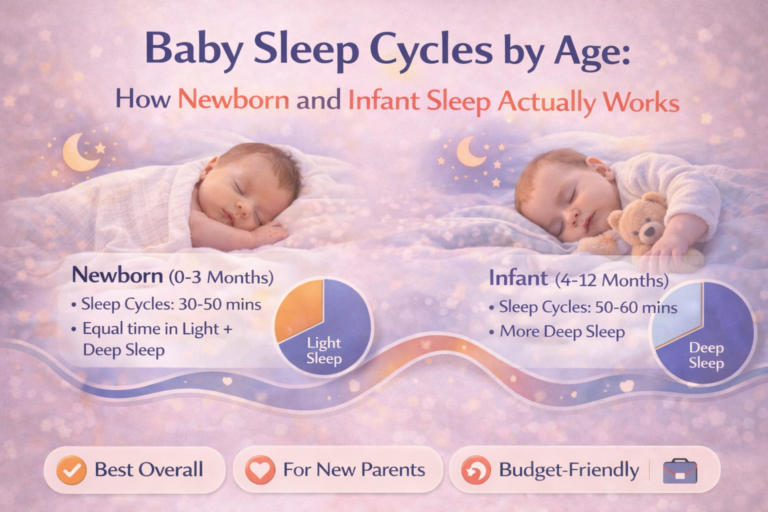
Babies sleep best when their bodies do not need to work to cool down or warm up. Stable room temperature supports smoother transitions between sleep cycles and helps reduce sudden waking caused by discomfort.
Parents often notice that once temperature becomes consistent, other routines start working better too. Feeding schedules, swaddling, white noise, and bedtime routines all tend to become more effective when the room feels comfortable.
At Safebabylab, we often see that parents think they have a routine issue when they really have an environment issue. Small adjustments in room temperature can produce noticeable improvements within a few nights.
Internal Resources You Might Find Helpful
To better understand how to create a safe and effective sleep setup for your baby, you may also find these guides useful:
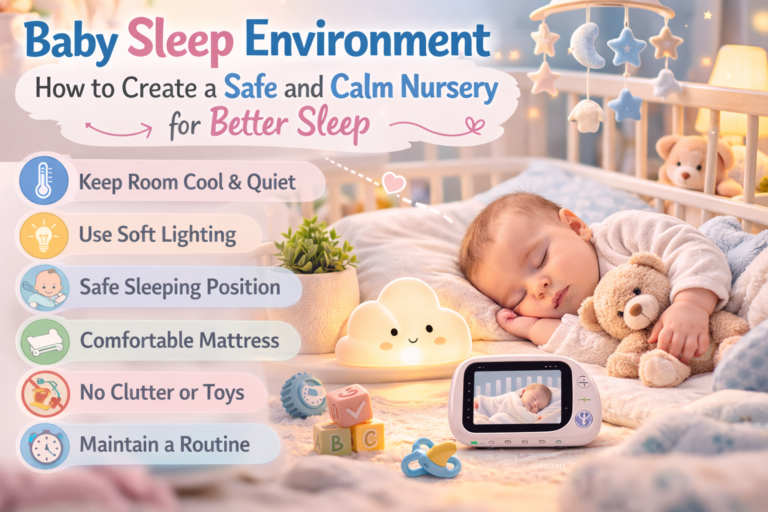
- Learn how to build the ideal sleep setup in our guide on baby sleep environment explained.
- Discover the optimal air conditions in baby room humidity for sleep and how it impacts comfort and breathing.
- If you’re considering sound support, read does white noise help babies sleep to understand benefits and risks.
- For parents who need extended coverage, check out best baby monitor long range for top-performing options.
- And for a complete overview of safe monitoring without internet risks, explore our complete guide to baby monitors without wifi.
Final Thoughts
Best room temperature for newborn sleep is not about making the nursery feel especially warm. It is about keeping the room stable, comfortable, and safe. Most newborns sleep best between 68°F and 72°F, especially when paired with breathable clothing and a calm environment.
Parents who monitor room conditions carefully often notice better sleep quality, fewer wake ups, and more predictable nighttime comfort. At Safebabylab, we see temperature as one of the strongest foundations of a healthy nursery because it influences almost every part of infant sleep.
FAQ
What is the best room temperature for newborn sleep?
Most experts recommend keeping the nursery between 68°F and 72°F, or 20°C to 22°C.
Is 75 degrees too warm for a newborn room?
For many babies, 75°F may be warmer than ideal, especially if they are swaddled or heavily dressed.
How do I know if my newborn is too hot at night?
Check for sweating, flushed cheeks, damp hair, or unusually restless sleep.
Should newborns sleep in a cooler room?
A slightly cooler room is usually safer than an overly warm one, as long as the baby is dressed appropriately.
Can temperature affect newborn sleep a lot?
Yes. Nursery temperature can affect comfort, sleep depth, and how often babies wake overnight.