Baby Monitor vs Security Camera: Which One Is Better for Monitoring Your Baby?
Baby monitor vs security camera is a comparison many parents consider when setting up a nursery monitoring system. Both devices allow caregivers to watch a baby from another room, but they are designed for very different purposes. While security cameras focus on property surveillance, baby monitors are built specifically to observe babies safely during sleep.
Parents often wonder whether they can simply use a home security camera instead of purchasing a dedicated baby monitor. The answer depends on several factors such as signal reliability, audio communication, privacy features, and ease of use.
At Safebabylab, we regularly evaluate monitoring setups used by families in real homes. One thing becomes clear quickly. Devices designed specifically for baby monitoring usually offer features that security cameras do not prioritize.
Understanding the differences between these devices helps parents choose the safest and most reliable option for their nursery.
Why Parents Compare Baby Monitors and Security Cameras
Modern homes often already include smart security cameras. Because of this, some parents consider repurposing those devices to monitor their baby instead of buying a separate monitor.
Security cameras may seem appealing because they often include:
- smartphone viewing
- motion detection
- cloud recording
- remote access
However, monitoring a sleeping baby requires different priorities than monitoring a front door or backyard.
Baby monitors are designed specifically to observe sleep conditions, detect crying, and allow parents to communicate with the baby if needed.
At Safebabylab, we have observed that parents usually prefer devices designed specifically for nursery environments once they understand the differences.
Baby Monitor vs Security Camera: Key Differences
Baby monitor vs security camera comparisons usually come down to the purpose of each device.
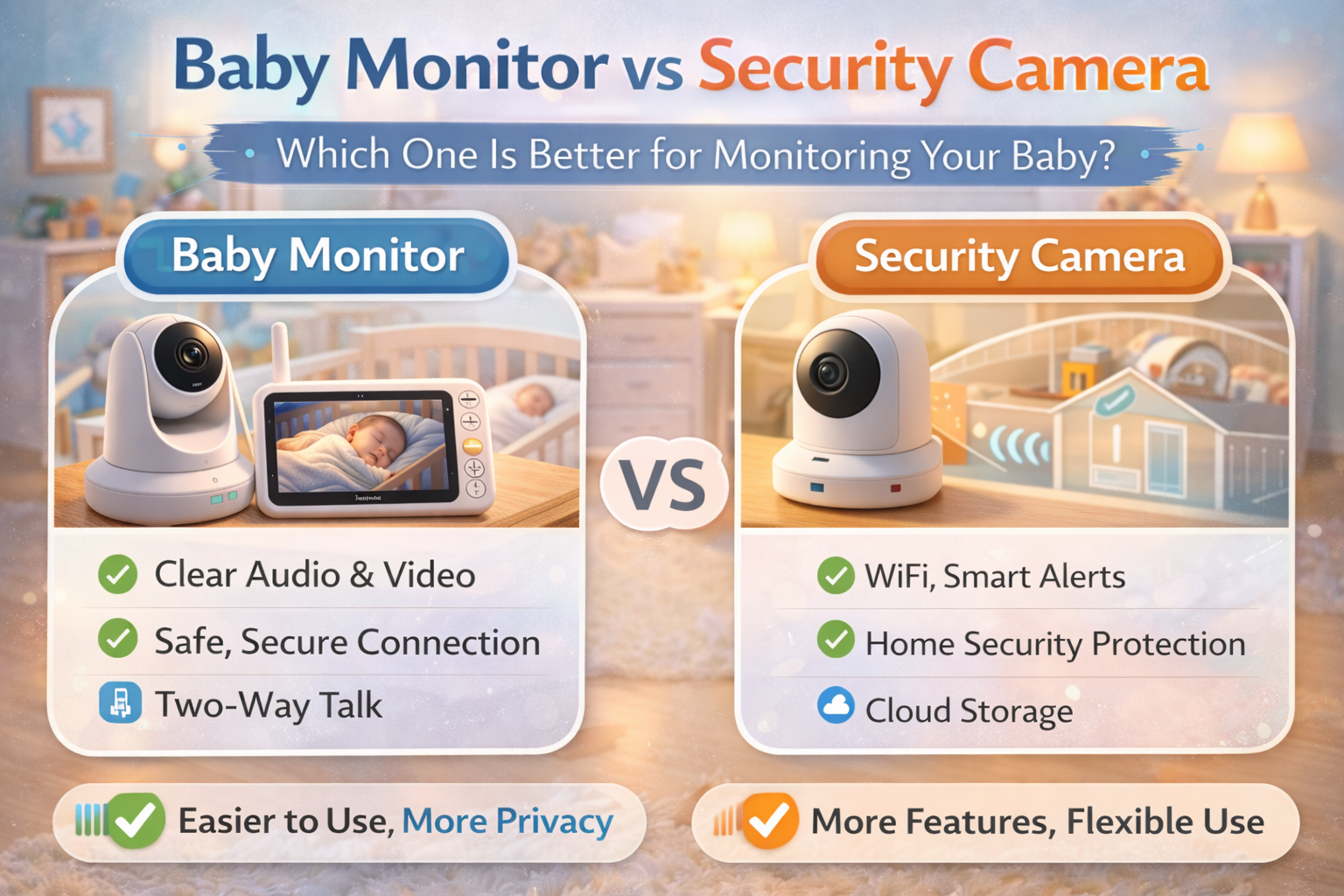
Baby Monitors
Baby monitors are designed for short distance monitoring within the home.
They often include:
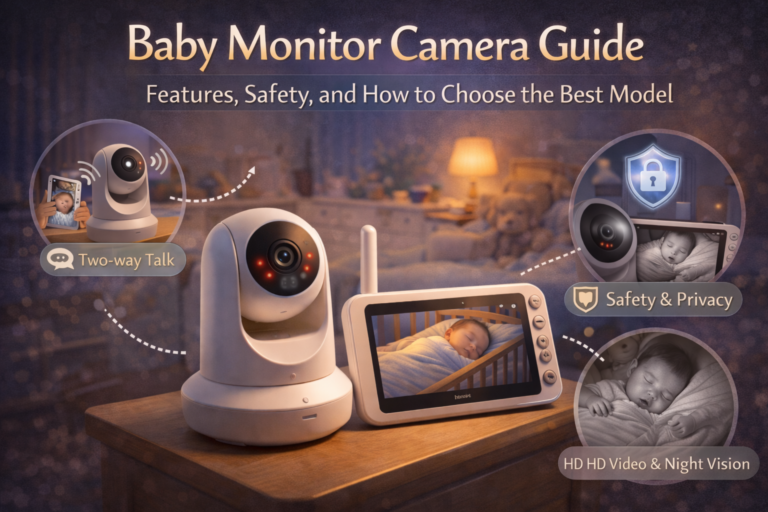
- dedicated parent unit screens
- reliable local signal transmission
- two way audio communication
- night vision designed for nurseries
- temperature monitoring
These features make baby monitors ideal for observing sleep without relying on internet connectivity.
Parents who prefer local monitoring systems often explore models discussed in complete guide to baby monitors without wifi because these devices transmit signals directly between units.
Security Cameras
Security cameras are built for property surveillance and security monitoring.
They typically offer:
- remote smartphone viewing
- motion alerts
- cloud storage
- wide outdoor monitoring range
While these features work well for security purposes, they may not provide the same reliability or simplicity needed for baby monitoring.
Monitoring Reliability
Reliability is one of the most important factors when monitoring a sleeping baby.
Baby monitors are designed to maintain a stable connection inside the home. Many models use FHSS technology, which switches frequencies to avoid interference and maintain signal stability.
Security cameras usually depend on internet connectivity. If the internet connection drops or slows down, the camera feed may freeze or disconnect.
At Safebabylab, we often see parents switch from security cameras to dedicated baby monitors after experiencing unreliable connections.
Stable monitoring becomes especially important during nighttime sleep when parents depend on clear signals.
Signal Range Inside the Home
Range is another key difference between these devices.
Security cameras rely on the strength of the home WiFi network. If the router signal is weak in the nursery, the camera feed may experience delays or interruptions.
Baby monitors transmit signals directly between the baby unit and parent unit. This often results in more stable coverage across the house.
Parents living in larger homes often rely on monitors described in best baby monitor long range because these models maintain reliable signals across multiple floors.
Dedicated monitoring devices are usually optimized for indoor signal reliability.
Audio Communication Features
Two way audio is an important feature for many parents.
Baby monitors usually include microphones and speakers that allow parents to speak to the baby through the parent unit.
This feature allows caregivers to:
- soothe babies without entering the room
- reassure babies who wake briefly
- communicate with older infants
Security cameras sometimes include microphones, but they are not always optimized for clear audio communication in nursery environments.
Dedicated baby monitors typically offer more responsive audio systems.
Night Vision and Low Light Monitoring
Night vision performance is essential because babies sleep best in dark environments.
Baby monitor cameras use infrared sensors that allow parents to observe the crib clearly without turning on lights.
These cameras are optimized for nursery environments where lighting remains dim.
Parents designing sleep friendly nurseries according to nursery lighting for baby sleep often rely on night vision monitors to observe the baby without disrupting sleep.
Security cameras also include night vision features, but they may not be optimized for close indoor monitoring.
The camera angle and sensitivity often differ.
Ease of Use for Parents
Ease of use can greatly influence the monitoring experience.
Baby monitors usually operate with simple controls and dedicated screens. Parents can quickly glance at the monitor to check on their baby.
Security cameras often require smartphone apps and internet connections to access the video feed.
While smartphone monitoring may seem convenient, some parents prefer the simplicity of a handheld monitor that works instantly.
At Safebabylab, we often find that parents appreciate the reliability of a separate monitor device during nighttime care.
Quick access becomes especially helpful during late night wake ups.
Privacy and Security Considerations
Privacy is another factor parents consider when choosing monitoring devices.
Security cameras connected to the internet rely on cloud services and account passwords. While modern systems use encryption, internet connected devices may still raise privacy concerns for some families.
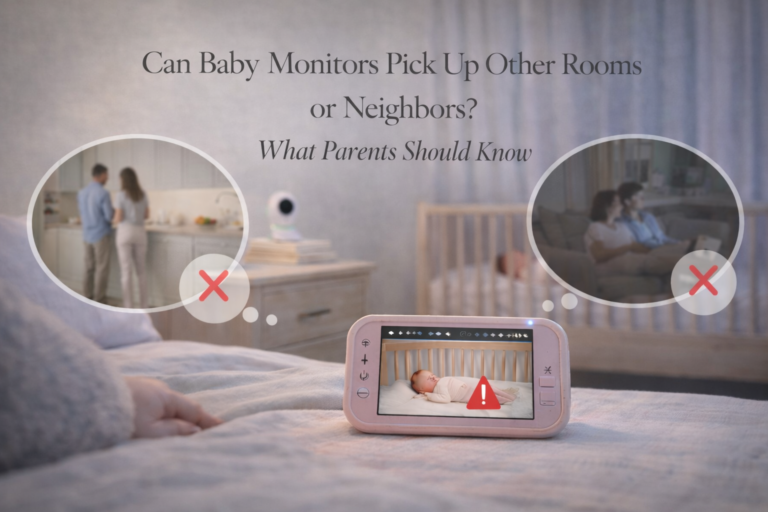
Non WiFi baby monitors transmit signals directly between devices without internet involvement.
Many parents choose these systems because they provide private communication within the home.
Parents who want a clearer understanding of this technology often review how baby monitors work to understand how signals transmit between devices.
Local monitoring systems often feel more secure to privacy conscious families.
Environmental Monitoring Features
Baby monitors sometimes include environmental sensors that measure conditions in the nursery.
These sensors may track:
- temperature
- humidity
- sound levels
Monitoring environmental conditions helps parents maintain a comfortable sleep environment.
For example, humidity levels discussed in baby room humidity for sleep can influence breathing comfort and sleep quality.
Security cameras usually do not include these specialized nursery sensors.
This difference highlights how baby monitors are designed specifically for infant care.
Camera Placement and Viewing Angle
Proper camera placement is important for both devices, but baby monitors are designed to capture the entire crib area.
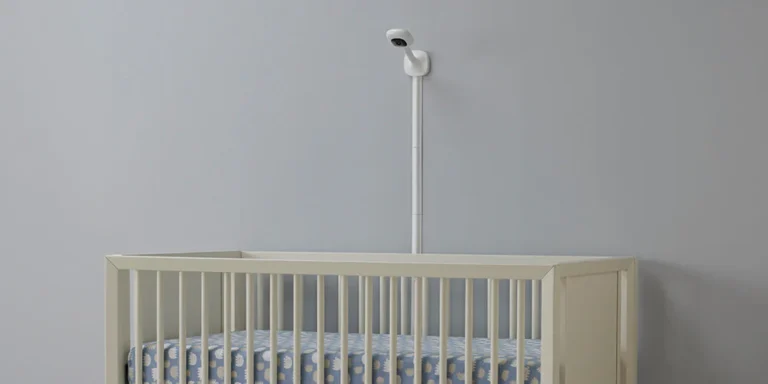
Parents often achieve the best results by following recommendations described in baby monitor placement guide, where the camera is mounted above crib height and angled downward.
This position allows the parent to see:
- the baby’s sleep position
- movement during sleep
- breathing motion
Security cameras may not offer the same optimized angles for crib viewing.
When a Security Camera May Work
In some situations, parents may successfully use a security camera for basic monitoring.
Examples include:
- temporary travel setups
- monitoring older children
- casual daytime observation
However, these cameras may lack features specifically designed for infants.
For most families, dedicated baby monitors offer a safer and more convenient solution.
Why Many Parents Choose Dedicated Baby Monitors
Parents often prefer baby monitors because they are designed specifically for nursery environments.
Benefits include:
- stable signal transmission
- dedicated parent monitors
- simple setup
- optimized night vision
- reliable audio communication
These features make monitoring easier and more consistent during sleep.
At Safebabylab, we frequently observe that families who switch to dedicated baby monitors report more reliable monitoring experiences.
Purpose built devices often perform better in real world nursery setups.
Final Thoughts
Baby monitor vs security camera comparisons help parents understand the strengths and limitations of each device. While security cameras offer useful surveillance features, baby monitors are designed specifically for monitoring infants safely during sleep.
Dedicated baby monitors provide reliable signal transmission, clearer audio communication, and features optimized for nursery environments. These advantages make them the preferred choice for many families who want consistent monitoring without relying entirely on internet connections.
Choosing the right monitoring device allows parents to observe their baby comfortably while maintaining a calm and safe sleep environment.
Frequently Asked Questions
Can a security camera replace a baby monitor?
A security camera can sometimes monitor a baby, but dedicated baby monitors offer features designed specifically for nursery environments.
Are baby monitors safer than security cameras?
Many parents consider baby monitors safer because they are designed specifically for infant monitoring and often operate without internet connectivity.
Do security cameras work in nurseries?
Yes, but they may lack features such as two way audio and optimized night vision designed for monitoring babies.
Do baby monitors need WiFi?
No. Many baby monitors operate without internet connections and transmit signals directly between devices.
Which device is easier for parents to use?
Most parents find baby monitors easier because they include dedicated parent screens and simple controls.