What Temperature Should a Baby’s Room Be?
What temperature should a baby’s room be is one of the most common questions new parents ask — and for good reason. Babies cannot regulate their body temperature as well as adults, and being too hot or too cold can affect both comfort and safety during sleep.
The good news is that you don’t need complicated equipment or perfect conditions. You just need to stay within a safe, reasonable range and know what signs to watch for.
Let’s go through what temperature a baby’s room should be, why it matters, and how to keep it stable in real life.
The Short Answer: What Temperature Should a Baby’s Room Be?
Most pediatric and sleep safety guidelines agree:
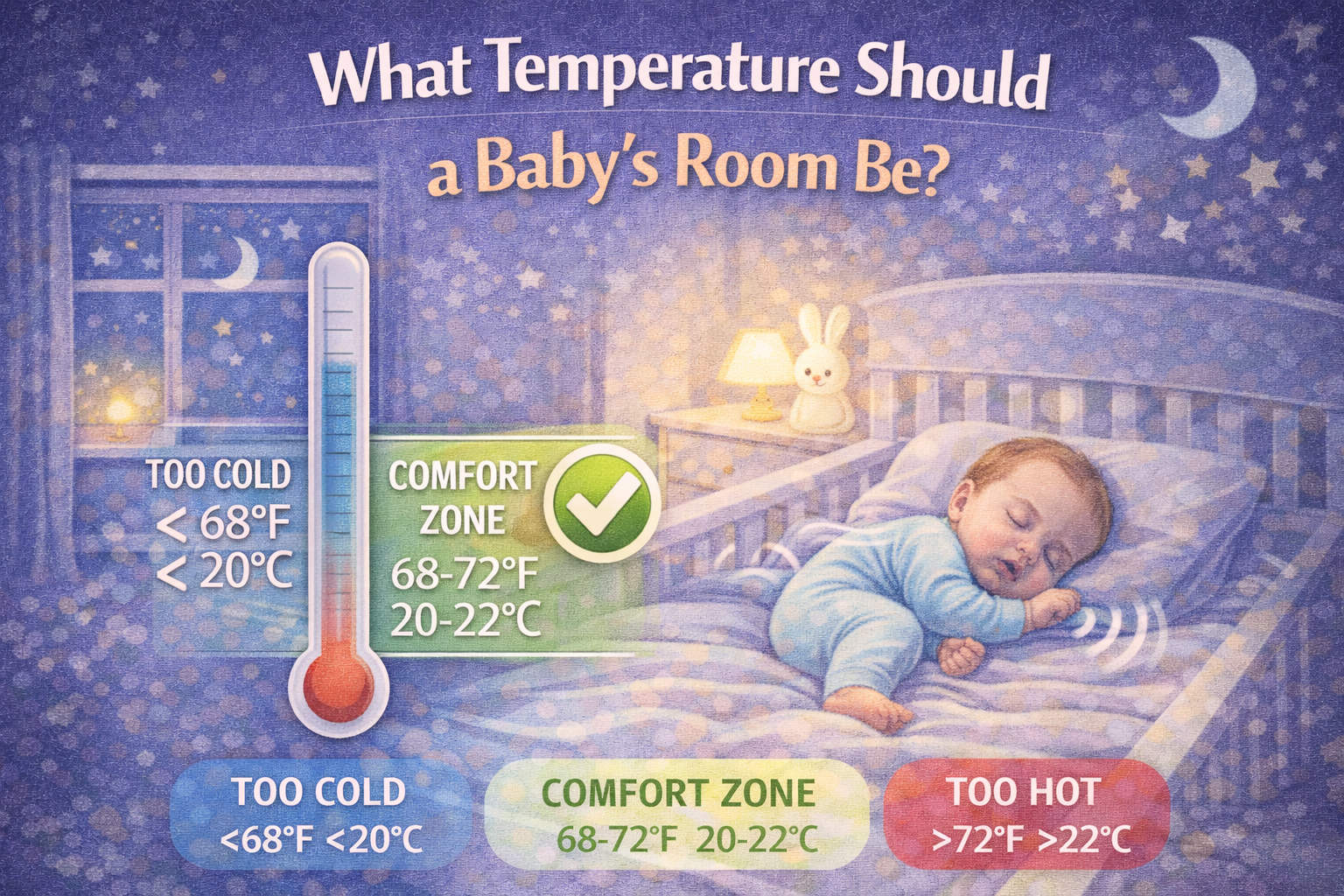
The ideal temperature for a baby’s room is between 68°F and 72°F (20–22°C).
This range is:
- Cool enough to prevent overheating
- Warm enough to keep your baby comfortable
If you’re wondering what temperature should a baby’s room be at night, the answer is the same. Day and night, the goal is to stay in this general range.
Why Room Temperature Matters So Much for Babies
Babies:
- Lose heat faster than adults
- But also:
- Overheat more easily
Overheating is a known risk factor for:
- Poor sleep
- Restlessness
- And in extreme cases, unsafe sleep situations
That’s why knowing what temperature a baby’s room should be is not just about comfort. It’s about safety too.
Is It Better for a Baby’s Room to Be Cooler or Warmer?
If you’re choosing between:
- Slightly too warm
- Or slightly too cool
It’s generally safer for the room to be:
A little cooler rather than too warm.
You can always:
- Add a layer of clothing or a sleep sack
But:
- You can’t easily fix overheating once it happens.
This is another reason why the recommended answer to what temperature should a baby’s room be is on the cooler side of what adults often prefer.
How to Tell If Your Baby Is Too Hot or Too Cold
Instead of touching hands or feet (which are often cool), check:
- The back of the neck
- The chest
- Or the tummy
Signs your baby may be too hot:
- Sweaty neck or hair
- Flushed skin
- Rapid breathing
- Restlessness
Signs your baby may be too cold:
- Cool chest or back
- Unusual fussiness
- Less movement than usual
Your baby should feel:
Warm, but not sweaty.
What About Seasonal Changes?
In winter
- Heating can:
- Dry the air
- And make rooms warmer than you realize
- Many homes:
- End up too hot at night
In summer
- Heat waves and warm nights:
- Can push room temperature well above the ideal range
In both cases:
- A simple room thermometer is one of the best tools you can have.
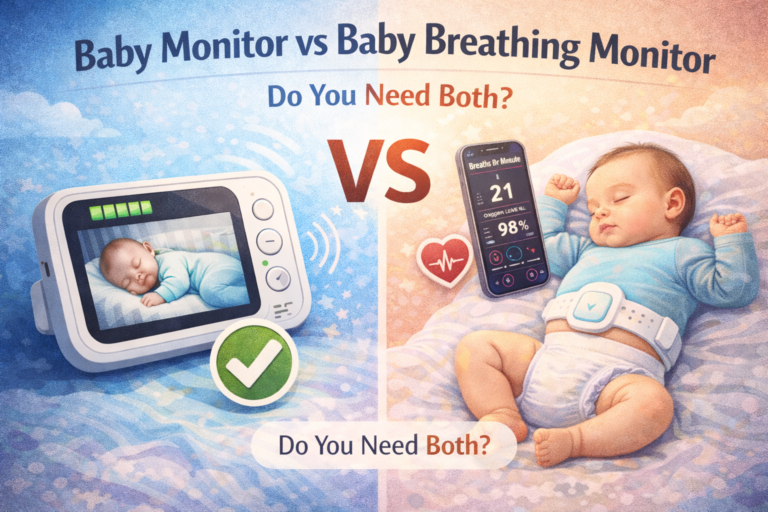
If you’re serious about controlling the environment in your baby’s room, being able to monitor conditions reliably matters — just like being able to monitor your baby reliably.
That’s one reason many parents prefer simple, non-WiFi baby monitors that are always on and predictable. We cover this in detail here:
👉 Best Baby Monitor Without WiFi
How Clothing and Sleep Sacks Change the Equation
Room temperature is only part of the picture.
Also think about:
- What your baby is wearing
- Whether they’re in:
- A light sleep sack
- Or a warmer one
A good rule of thumb:
Dress your baby in one layer more than you’re comfortable wearing in the same room.
If you keep the room in the recommended range, you usually don’t need heavy or thick layers.
Common Mistakes Parents Make
- Overheating the room because:
- “The baby might be cold”
- Using:
- Thick blankets instead of proper sleep clothing
- Not realizing:
- How warm the room gets at night when heating is on
- Judging temperature by:
- Hands and feet instead of the baby’s core
Do You Need to Control the Temperature Perfectly?
No.
You don’t need:
- A perfectly stable number at all times
You do need:
- To stay:
- Close to the recommended range
- And avoid extremes
If the room is:
- 19°C one night
- 23°C another night
That’s usually fine. Problems come from:
Consistently hot or stuffy rooms.
What Temperature Should a Baby’s Room Be If the Baby Is Sick?
When a baby has:
- A fever
- Or congestion
It’s often better to keep the room:
Slightly cooler, but comfortable.
Always:
- Follow medical advice for illness
- But in general:
- Cool, fresh air is better than warm, stuffy air
How This Connects to Sleep Quality
Babies, like adults, usually:
- Sleep better in:
- A slightly cooler room
- And:
- Wake more often in rooms that are too warm
If your baby:
- Wakes often
- Seems restless
Room temperature is one of the first things worth checking.
So, What Temperature Should a Baby’s Room Be?
To summarize:
- Aim for:
- 68–72°F (20–22°C)
- Slightly cooler is better than too warm
- Adjust clothing, not the thermostat, when possible
- Watch your baby’s neck and chest, not hands and feet
That’s the practical, real-world answer to what temperature should a baby’s room be.
Final Thoughts
You don’t need to obsess over the thermostat. But you do need to avoid extremes.
A room that is:
- Cool
- Fresh
- And comfortable
Creates much better conditions for:
- Safer sleep
- And more restful nights for everyone.
What temperature should a baby’s room be?
Most experts recommend keeping a baby’s room between 68°F and 72°F (20–22°C).
Is it better for a baby’s room to be cooler or warmer?
It is generally safer for the room to be slightly cooler than too warm.
How can I tell if my baby is too hot at night?
Check the back of the neck or chest. If the skin is sweaty or very warm, your baby may be too hot.
Does room temperature really affect baby sleep?
Yes. Rooms that are too warm often lead to more restless and fragmented sleep.